
Deck Building / Amherst, NY
Deck builders in Amherst, NY
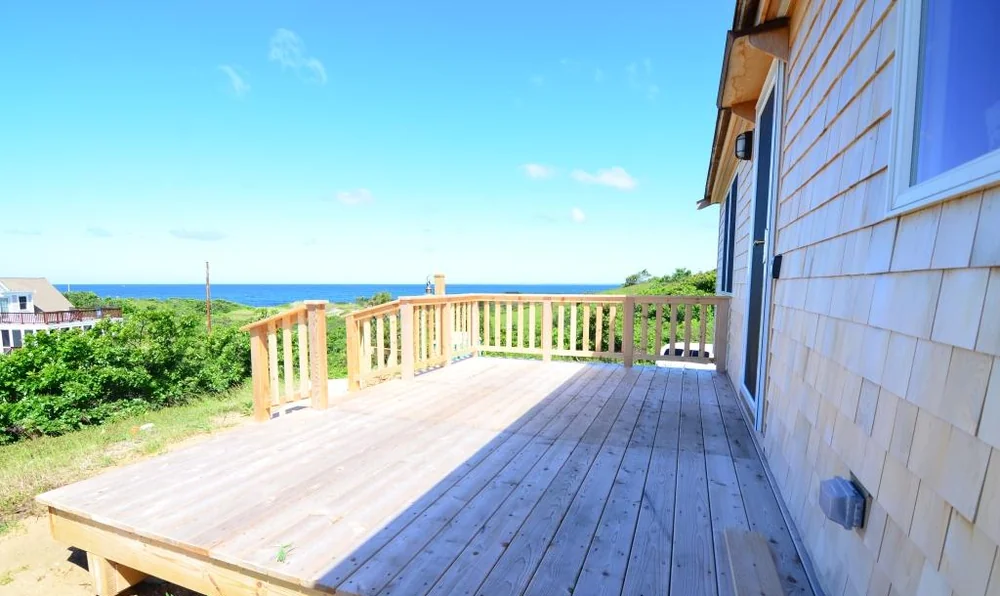
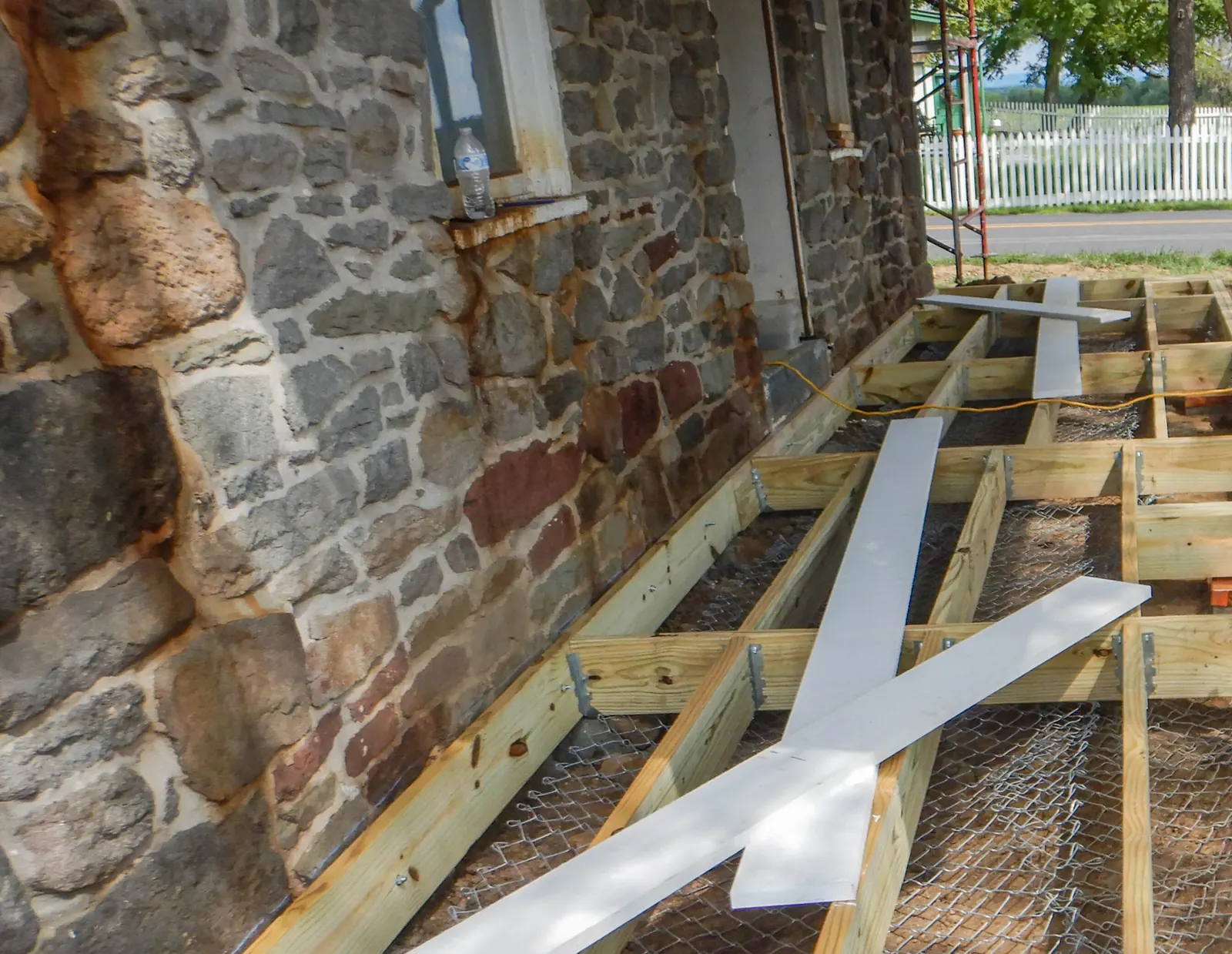
We build, replace, repair and refinish decks on Amherst homes, most of them put up between the 1950s and the 1980s and now on their second deck. Permit drawings, footings and framing included. Call for a quote.
What we do
Deck work across Amherst
New builds, tear-outs, repairs, composite conversions, roofs over existing decks, and the cleaning and refinishing that keeps wood alive in this climate.
Deck Replacement
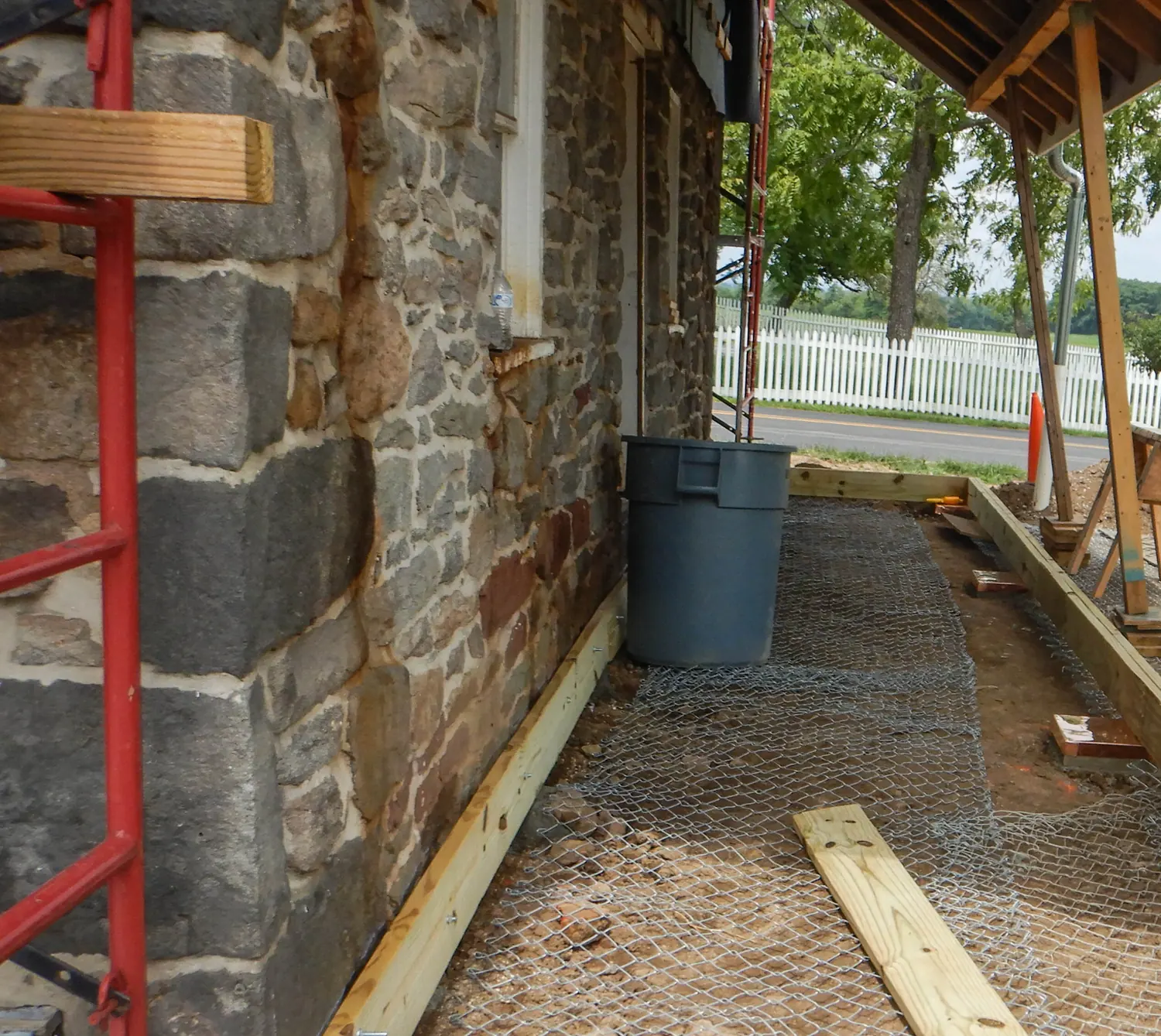
Old deck out, debris hauled to a permitted facility, new structure in its place.
Read more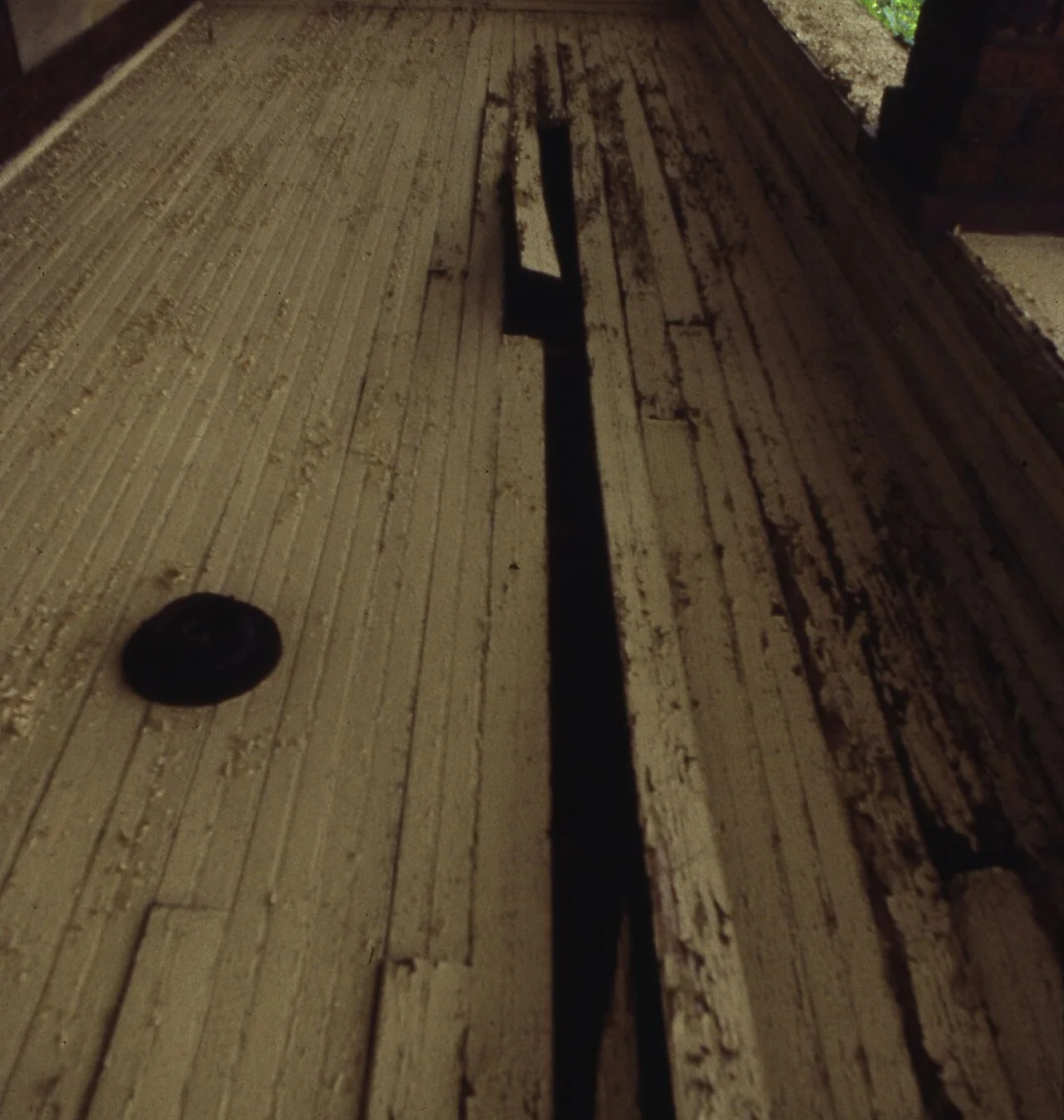
Deck Repair
Heaved footings, soft joists, loose ledgers, and guards that move when you lean.
Read more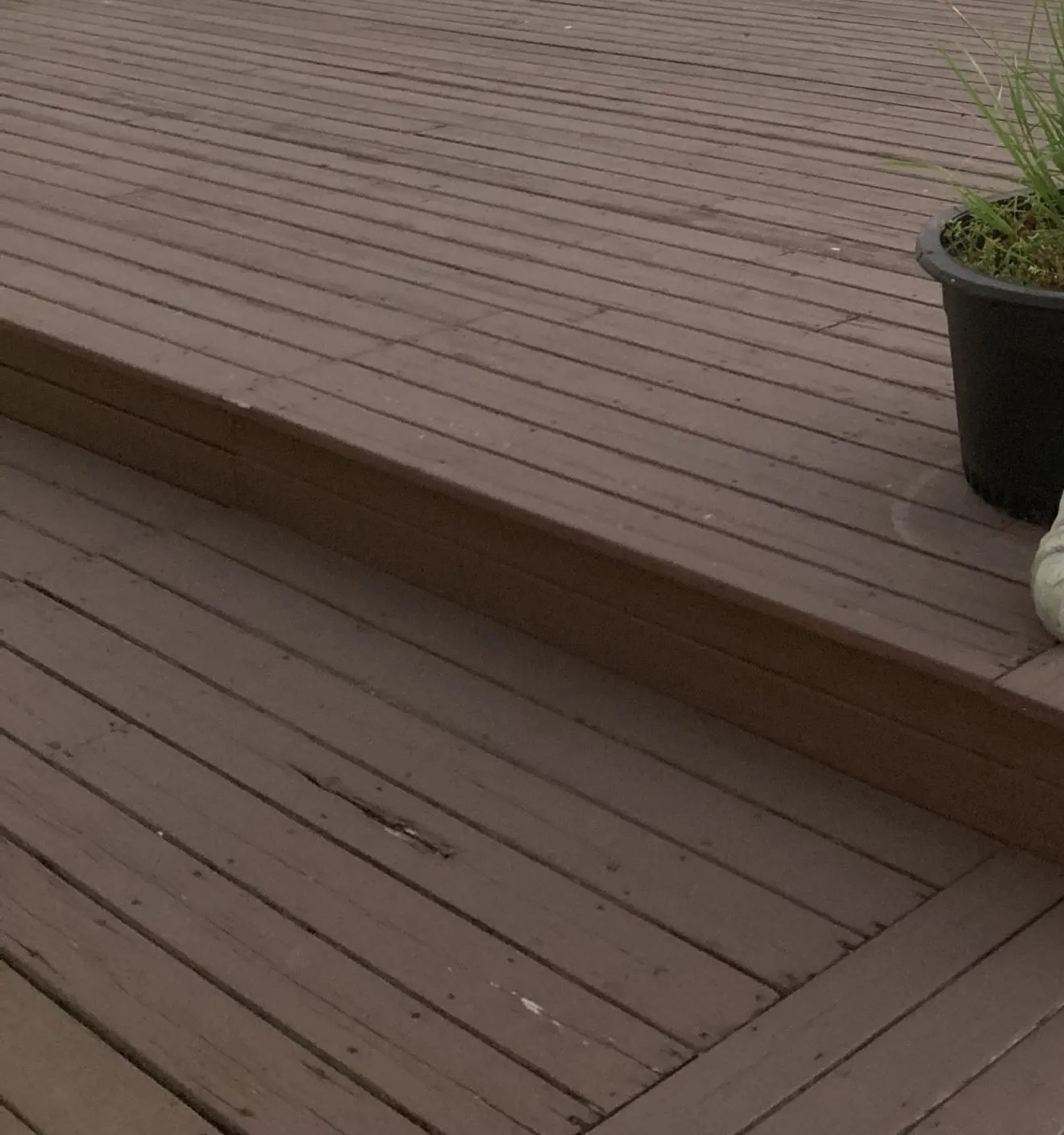
Composite Decking
Capped composite and cellular PVC, gapped the way the board maker specifies.
Read more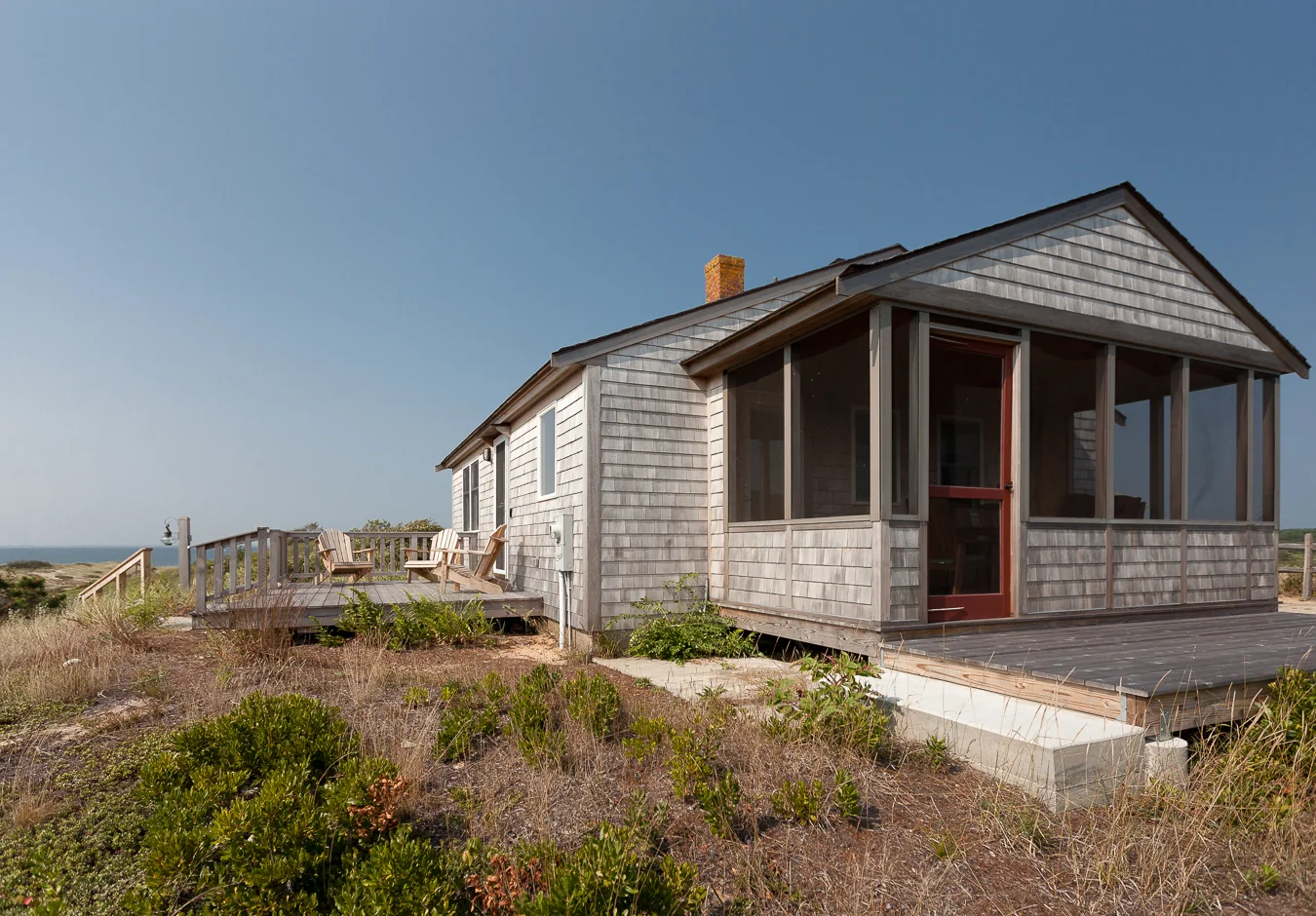
Covered Decks
Roofs, screens and three-season rooms, once the frame below is checked for the load.
Read more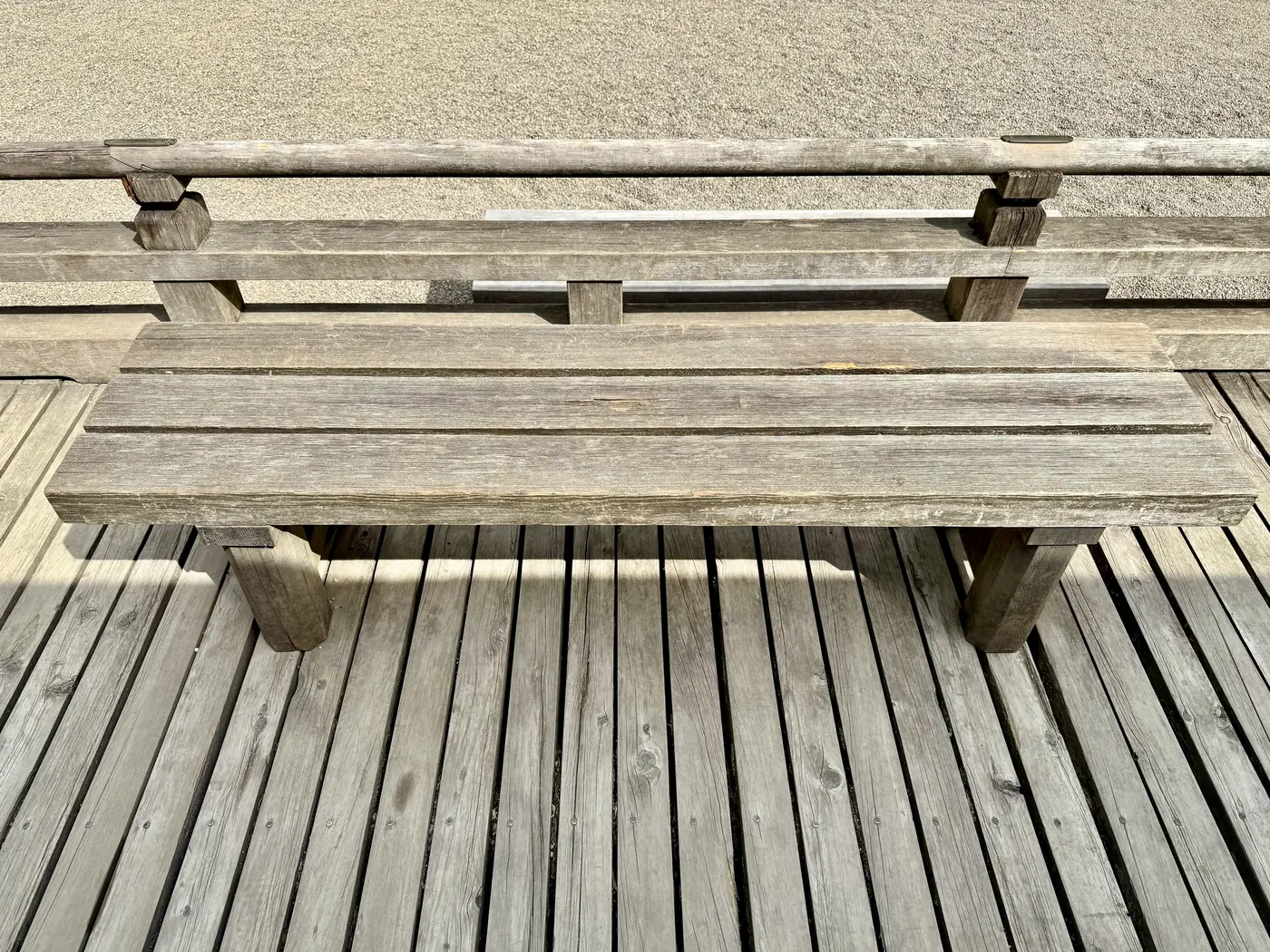
Deck Staining
Cleaned, brightened and refinished when the moisture reading says it is ready.
Read moreWhy us
What do Amherst homeowners actually get from this crew?
Most deck trouble in this town starts under the boards, so that is where our work starts. Every deck we build gets footings placed below the local frost line per the Amherst Building Department, a ledger through-bolted rather than nailed and flashed so water cannot reach the band joist behind it, and the lateral load connection an inspector will look for. We draw the framing plan, file the permit at the Building Department on Main Street, and meet the footing inspection before any concrete is poured. On a housing stock whose median build year is 1970, that hidden half of the job is the whole difference between a deck that lasts and one that gets torn off in fifteen years.
- Footings below the local frost line
- Through-bolted, flashed ledger connections
- Hot-dipped galvanized or stainless fasteners
- Permit drawings filed for you
- Butyl joist tape over the frame
- Old decking hauled, never burned
Why decks fail here
Why does freeze-thaw decide what a deck is made of?
On the weathering map in the 2025 Residential Code of New York State, the whole state is classed Severe. That is a materials rule rather than a temperature reading, and it changes what a deck here has to be made of.
- What Severe meansWater soaks into wood, freezes, expands, thaws, and does it again all winter. Anything that holds water eventually splits.
- Where it shows firstEnd grain on posts and stair stringers. The top face of the joists, under the boards, where nobody looks. And the gap behind an unflashed ledger.
- What we do about itStandoff bases so post end grain never sits in water. Butyl joist tape along every joist and beam, which also self-seals around each screw. Flashing that carries water out past the rim instead of into the house.
- FastenersModern treated lumber is hard on steel. Screws and connectors are hot-dipped galvanized or stainless, and never mixed together, because mixing metals sets up galvanic corrosion inside the connection.
- The number we will not printFrost depth. The town sets it and does not publish it, so we confirm the required footing depth with the Amherst Building Department for your address rather than repeat a figure off someone else's website.
Built for this town
Why so many Amherst decks are on their second life
The median Amherst house went up around 1970, so a large share of the town's decks are second or third structures bolted to fifty-year-old framing. Snyder and Eggertsville run older still, closer to Buffalo. Getzville, East Amherst and Swormville carry the newer stock out toward Clarence. What we find under an older deck is usually the same short list: footings that have heaved, a ledger nailed instead of bolted, no flashing behind it, and a rim joist gone soft where nobody could see it. We build new decks, replace the ones past saving, repair the ones that are not, convert wood to composite, roof them over, and clean and refinish them.
Williamsville and Snyder
Getzville and East Amherst
Eggertsville and Audubon
Swormville out to Clarence
Compare materials
Which decking material survives a freeze-thaw winter?
The board you pick drives a third of the price and nearly all of the upkeep. Here is how the four common choices behave through a winter here.
| Material | Finishing | Handles freeze-thaw | Upkeep | Best for |
|---|---|---|---|---|
| Pressure-treated pine | Clean and re-stain to hold colour | Yes, if the details are right | Recoat on a cycle | Lowest cost to install |
| Western red cedar | Silvers grey if left bare | Heartwood only, sapwood rots | Recoat on a cycle | Looks, and softer underfoot |
| Capped composite | None, ever | Yes, but it moves with heat | Wash it | Wood look without the stain cycle |
| Cellular PVC | None, ever | Yes, absorbs no water at all | Wash it | Shaded, damp and poolside decks |
How it works
What happens between your first call and the final inspection?
1
Call
Tell us the rough size, how high it sits off the ground, whether an old deck has to come off, and what boards you have in mind.
2
Site visit
We measure, look hard at the wall the ledger will land on, check setbacks against your survey, then send a written quote and a framing plan.
3
Permit
Site plan and framing plans go to the Amherst Building Department on Main Street in Williamsville. Work starts once the permit is issued.
4
Build
Footings are inspected before concrete. Framing is inspected before boards cover it. We haul the debris out and book the final inspection.
Service area
Decks across Amherst and Erie County
We cover the whole town, Williamsville through Swormville, and keep going into Clarence, Cheektowaga, Tonawanda, Kenmore, Lancaster and Depew. Same rate anywhere in that ring. There is no travel charge for the far side of Transit Road.
Amherst
WilliamsvilleSnyderEggertsville
GetzvilleEast AmherstSwormville
ClarenceCheektowagaTonawanda
KenmoreLancasterDepew
Erie County
01
Permits and code
Yes. Town Code requires a building permit before construction starts on a deck. The Building Department asks for three copies of a survey with the deck drawn on it, plus three sets of scaled framing plans. A permit expires if work has not begun within six months of issue.
Below the local frost line, and that depth is set by the town rather than by the state code. Amherst does not publish the number on its website, so we confirm the required footing depth with the Building Department for your address before anyone starts digging. Guessing it is how decks heave.
There is no New York State contractor licence for this trade, and no Erie County one either. Licensing here is municipal. The Town of Amherst registers home improvement contractors under Local Law 6 of 2011, amended in 2021, and the town publishes the list of who is on it.
Off measurements, never off a phone call. Square footage, height above grade, how many stair flights, linear feet of railing, which board you choose, and whether an old deck has to come off first. It goes to you in writing before anything gets ordered.
All of them. Williamsville, Snyder, Eggertsville, Getzville, East Amherst, Swormville and the Audubon area, plus Clarence, Cheektowaga, Tonawanda, Kenmore, Lancaster and Depew just outside the town line.
02
Booking and contracts
Earlier than most people think. The building season here runs roughly May to October, and spring is when every homeowner in town uncovers winter damage at once. Quoting and permit drawings happen through late winter, which is why the calendar fills before the ground has even thawed.
A copy of your property survey, so the deck can be drawn with real setbacks and property lines rather than estimates. Clear access to the work area for concrete and lumber. And if you are in a development with an association, its written approval.
It does if you want it to, priced as its own line so you can see what it costs. Amherst will not take construction debris at the curb, so torn-off decking leaves in a contractor's truck or a roll-off container. It never goes in your bin and it never gets burned.
Board manufacturers warranty their own product, which is exactly why their installation instructions get followed to the letter, gap spacing and fastener type included. Anything promised about the workmanship itself belongs in your written contract, not on a web page.
Yes. New York's home improvement law gives you until midnight of the third business day after you sign to cancel. Money paid before the job is finished is held in escrow or covered by a bond rather than spent, which is the law here, not a favour.