
Tear-out and rebuild
Deck replacement in Amherst, NY
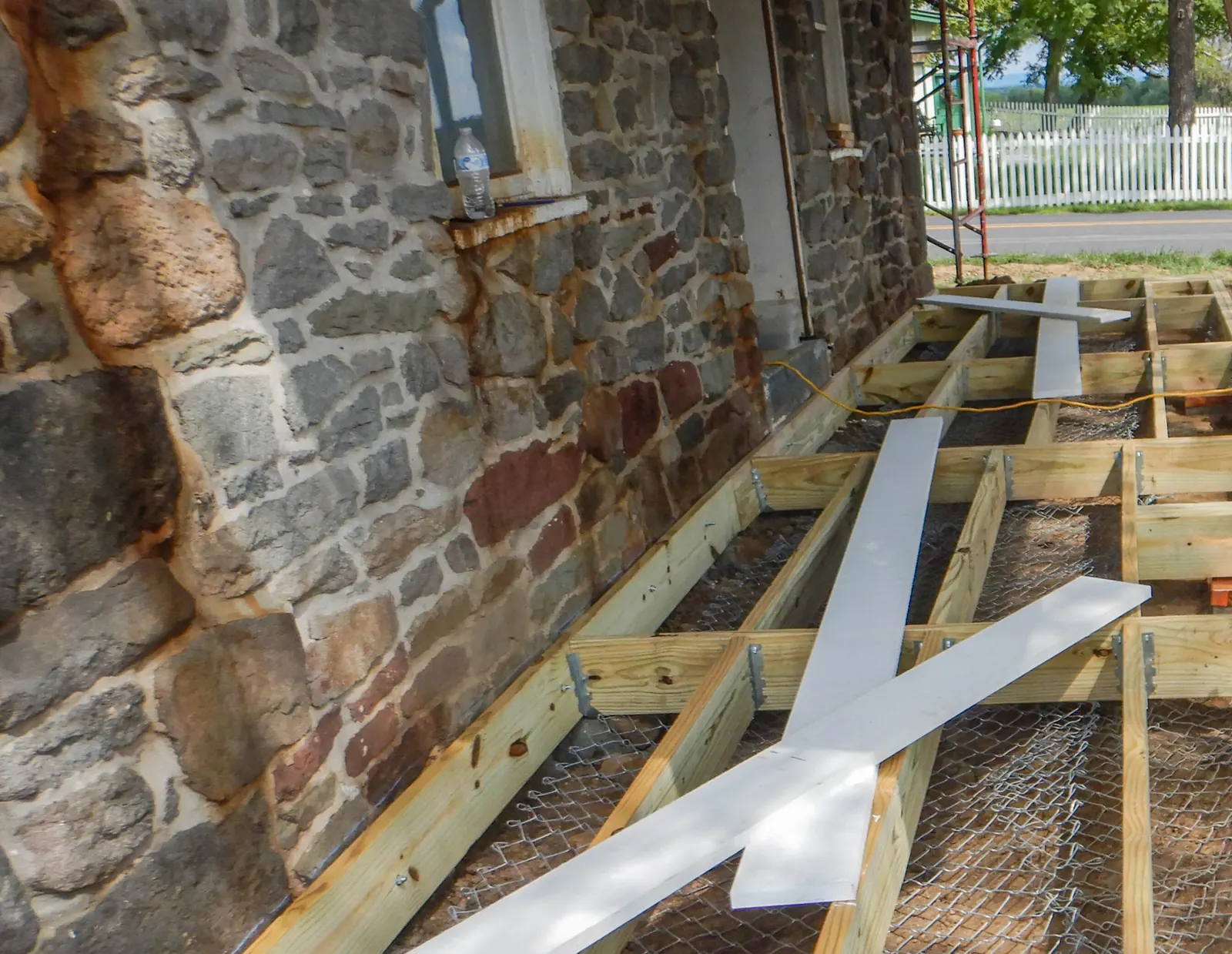
When the frame is gone, patching the surface just hides it. We take the old structure out, deal with the debris properly, and rebuild from the footings up under a fresh permit.
When does a deck need replacing rather than repairing?
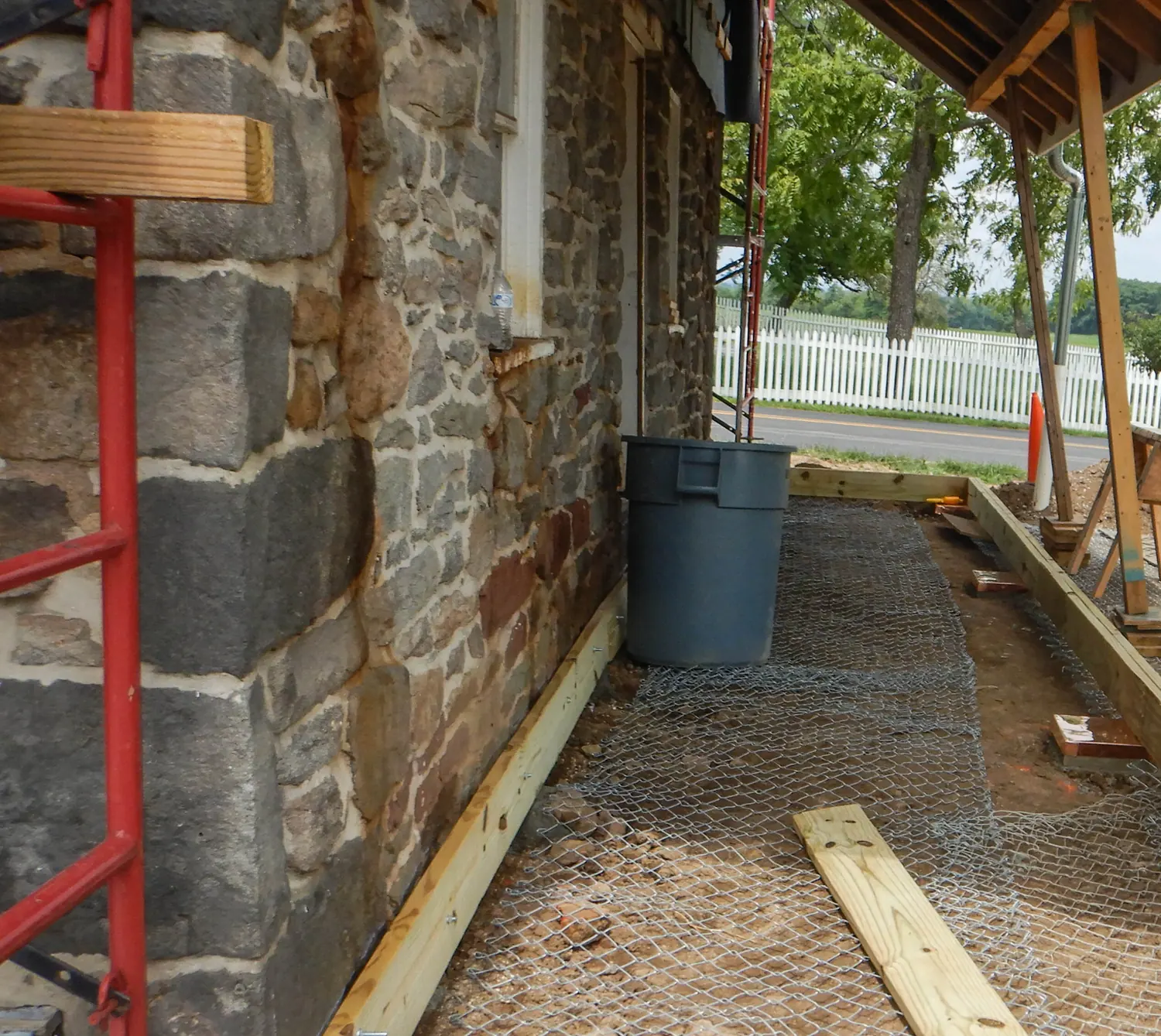
Repair or replace is not about how much damage there is. It is about where the damage sits. Surface problems are fixable. These six are the ones that tell us the structure itself has run out.
Soft ledger
An awl sinks into the ledger or the band joist behind it. A rotted ledger is not a patchable condition.
Heaved footings
The deck has lifted or racked out of square over a few winters. Shallow piers moving with the frost pull the frame apart.
Posts in soil
Support posts were buried straight in the ground. End grain wicks water and rots exactly where the load is heaviest.
Beam bolted sideways
The beam is through-bolted to the side of the posts rather than bearing on top of them. That is not an approved detail.
Wobbling guards
Guard posts move when you lean on them. Code asks a guard to take a 200-pound push at any point along the top rail.
Widespread rot
Thumb-sized soft spots can be cut out and treated. Once several joists or stringers are spongy, you are rebuilding anyway.
How we work
What a replacement job actually involves
A replacement is two jobs stacked on each other. Getting the old structure off the house without damaging siding or the band joist, and then building the new one properly. Neither half is the part you skip.
- Old deck stripped and hauled
- House wall opened and inspected
- Rotted band joist replaced first
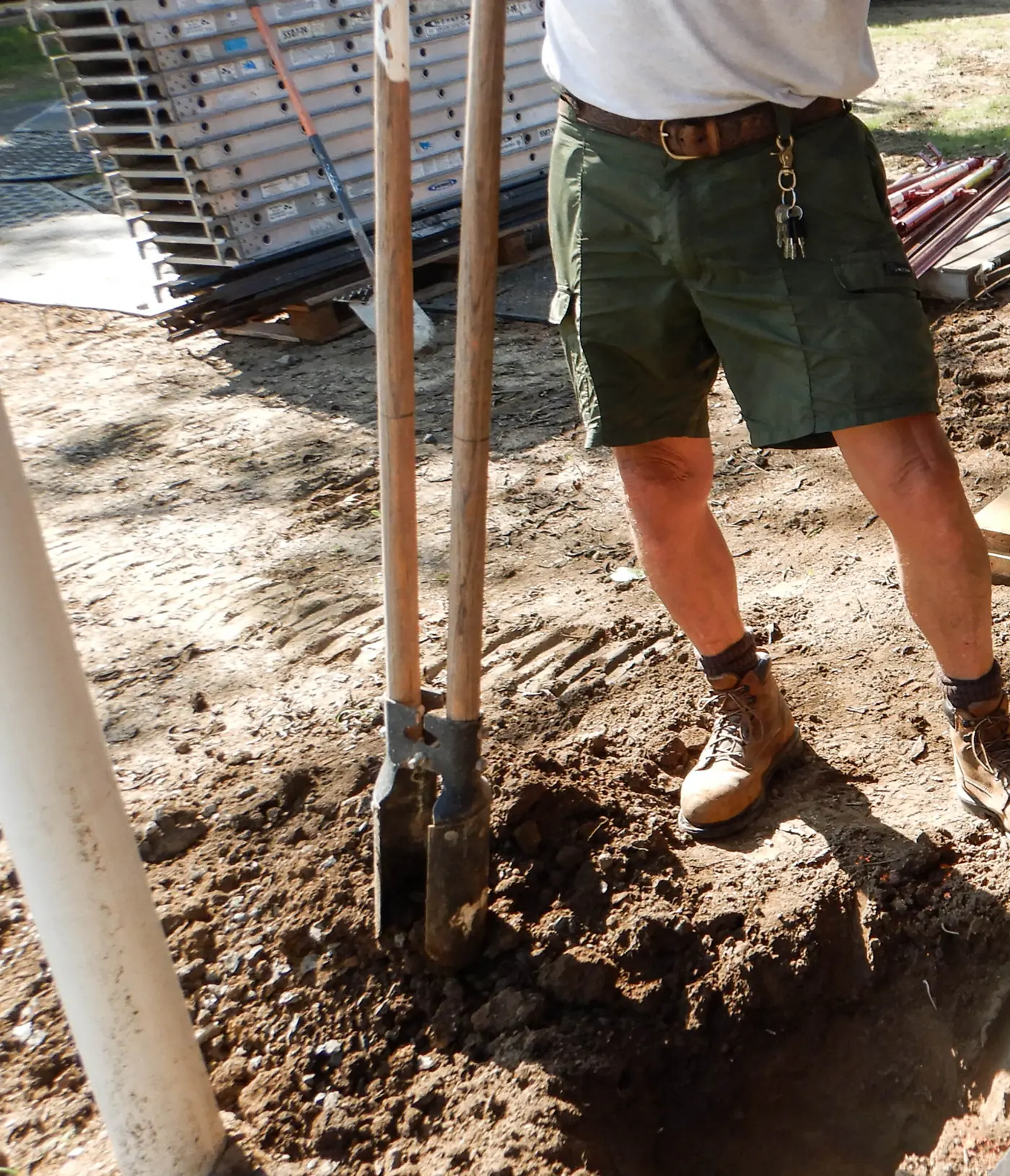
- Fresh footings, not the old holes
- New permit for the new structure
- Debris to a permitted facility
Order of work
Off first, then back on properly
1
Assess
We probe the posts, joists, stringers and the ledger with an awl and tell you plainly whether this is a repair, a resurface or a replacement.
2
Remove
Boards, frame and old piers come out. Anything from before roughly 2004 is treated as CCA lumber and handled under the state's disposal rules.
3
Repair the house
With the ledger off, the sheathing and band joist are finally visible. Soft material gets cut out and replaced before anything new is fixed to it.
4
Rebuild
New footings, new frame, flashing, tape and hardware, inspected at the same two gates as any new deck, then boards, guards and stairs.
Where the old deck goes
Torn-off decking is not a curbside problem
Amherst will not take major construction or renovation debris at the curb, so a torn off deck leaves in a contractor's truck or a roll-off container. That matters more than it sounds on a town full of pre-2004 decks. Lumber treated with chromated copper arsenate, which is most residential treated wood built before 2004, may go to a landfill authorised for construction debris or a permitted handling facility. Under state rules it must never be burned in a fireplace, stove, outdoor boiler or open fire, and never chipped into mulch or composted. We haul it and we document where it went.
Roll-off or truck haul
Pre-2004 wood handled as CCA
Never burned, never chipped
Site swept before we leave
Which route
Repair, resurface or full replacement?
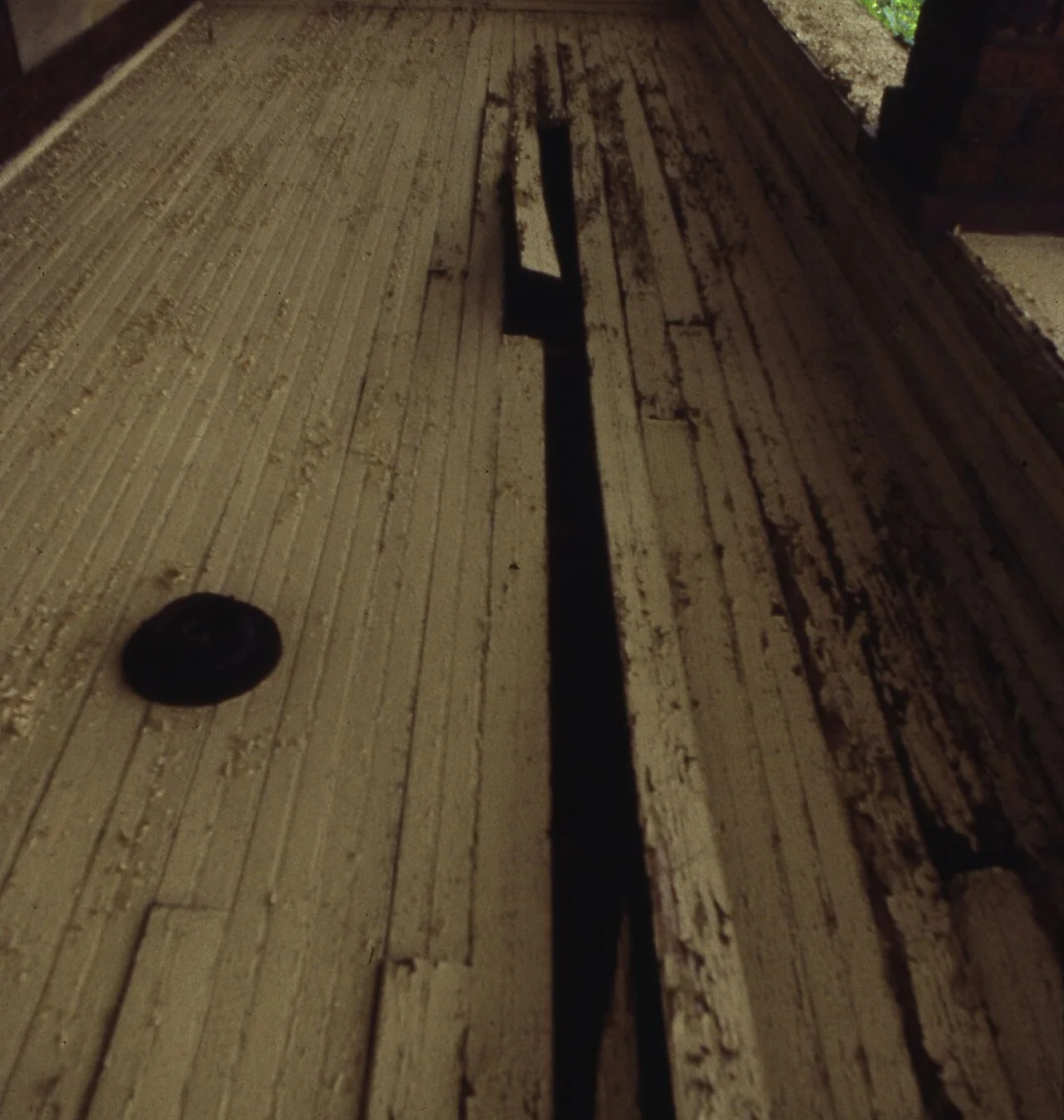
The right answer depends entirely on where the damage is, not how much of it you can see. This is how the four routes compare.
| Route | What it fixes | Keeps the frame | Permit | When it is right |
|---|---|---|---|---|
| Spot repair | One or two members, small rot | Yes, mostly | Often not needed | Sound structure, isolated damage |
| Resurface | Cupped, split or grey boards | Yes | Usually not | Frame is solid, surface is finished |
| Rebuild on old footings | Frame and boards | No | Yes | Piers still sound and deep enough |
| Full replacement | Everything, footings up | No | Yes | Ledger, posts or footings have failed |
More from us
Other work we do around Amherst
If the frame under your boards turns out to be sound, a replacement is not what you need. These are the lighter options.
Deck Replacement
Old deck out, debris hauled to a permitted facility, new structure in its place.
Read moreDeck Repair
Heaved footings, soft joists, loose ledgers, and guards that move when you lean.
Read more
Composite Decking
Capped composite and cellular PVC, gapped the way the board maker specifies.
Read more
Covered Decks
Roofs, screens and three-season rooms, once the frame below is checked for the load.
Read more
Deck Staining
Cleaned, brightened and refinished when the moisture reading says it is ready.
Read moreService area
Decks across Amherst and Erie County
Replacements run right through the older parts of town, Snyder, Eggertsville and the Williamsville streets in particular, and out through Getzville, East Amherst and Swormville into Clarence, Lancaster, Depew and the Tonawandas.
Amherst
WilliamsvilleSnyderEggertsville
GetzvilleEast AmherstSwormville
ClarenceCheektowagaTonawanda
KenmoreLancasterDepew
Erie County
01
Deciding
Push an awl or a screwdriver into the support posts, the joists, the stair stringers and the ledger. Wood that gives under the point is rotted. Surface damage over a sound frame is a resurface. Rot in the frame, the posts or the ledger is a replacement.
That is the more common version of this problem, and it is worth knowing it is not the same job. The frame is the expensive half. New boards over failing joists buys you a tidy-looking deck sitting on the same structure that was already going.
That is the natural moment to do it. If the substructure is coming out anyway, the joist spacing and the hardware can be set for the board you actually want rather than the one the old frame was built for.
Yes. Amherst requires a building permit before construction starts on a deck, and a replacement is construction. The fact that a deck stood there before does not carry the old approval forward to the new structure.
Age on its own does not decide it, condition does. That said, on a town where the median house dates to around 1970, plenty of decks here are second structures on fifty-year-old framing and were built before several current rules existed.
02
The old deck
It leaves in our truck or in a roll-off. Amherst does not collect major construction debris at the curb, so this is never a case of stacking boards by the road. Treated lumber goes to a landfill authorised for construction debris or a permitted facility.
If it went up before roughly 2004, assume yes. The manufacturers ended production of chromated copper arsenate lumber for residential use at the end of 2003 under an agreement with the federal environmental regulator.
No, and this one matters. State rules bar disposing of CCA-treated lumber by burning it in a fireplace, stove, outdoor boiler or open fire, and bar chipping it into mulch or composting it. It has to go to a facility that will take it.
Removing a ledger always disturbs whatever is around it, so we plan for that rather than promise it away. What we will not do is bolt a new ledger back over damaged sheathing to save opening it up.
Sometimes, if they are the right depth, the right diameter, sound, and in the right places for the new frame. Often they are not, and re-using a shallow pier just moves the original problem into a brand new deck.