
Repairs
Deck repair in Amherst, NY
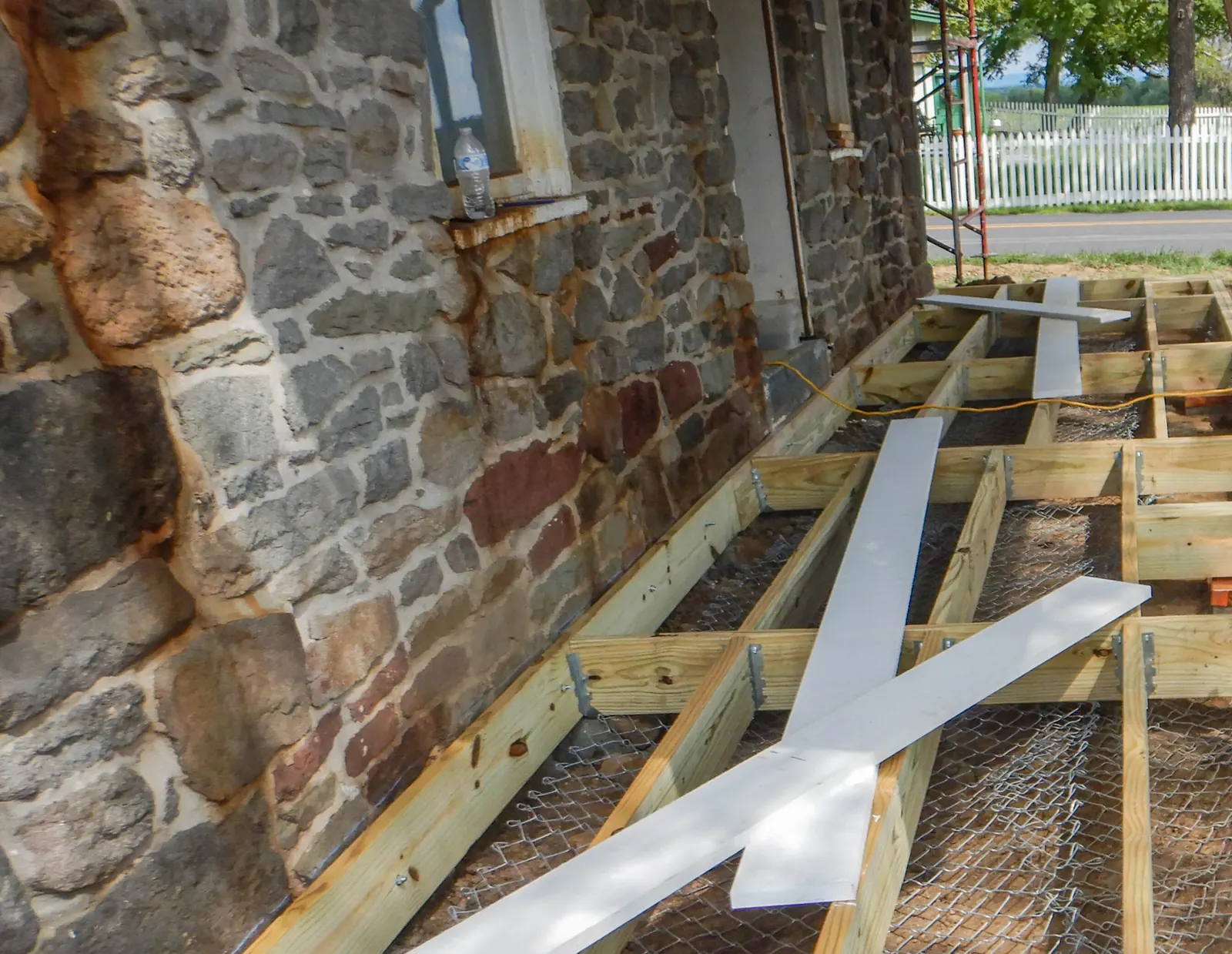
Most of what goes wrong on a deck here happens over one or two winters and shows up in spring. Caught early, a lot of it is a morning's work rather than a rebuild.
What we fix
Which repairs come up here every spring?
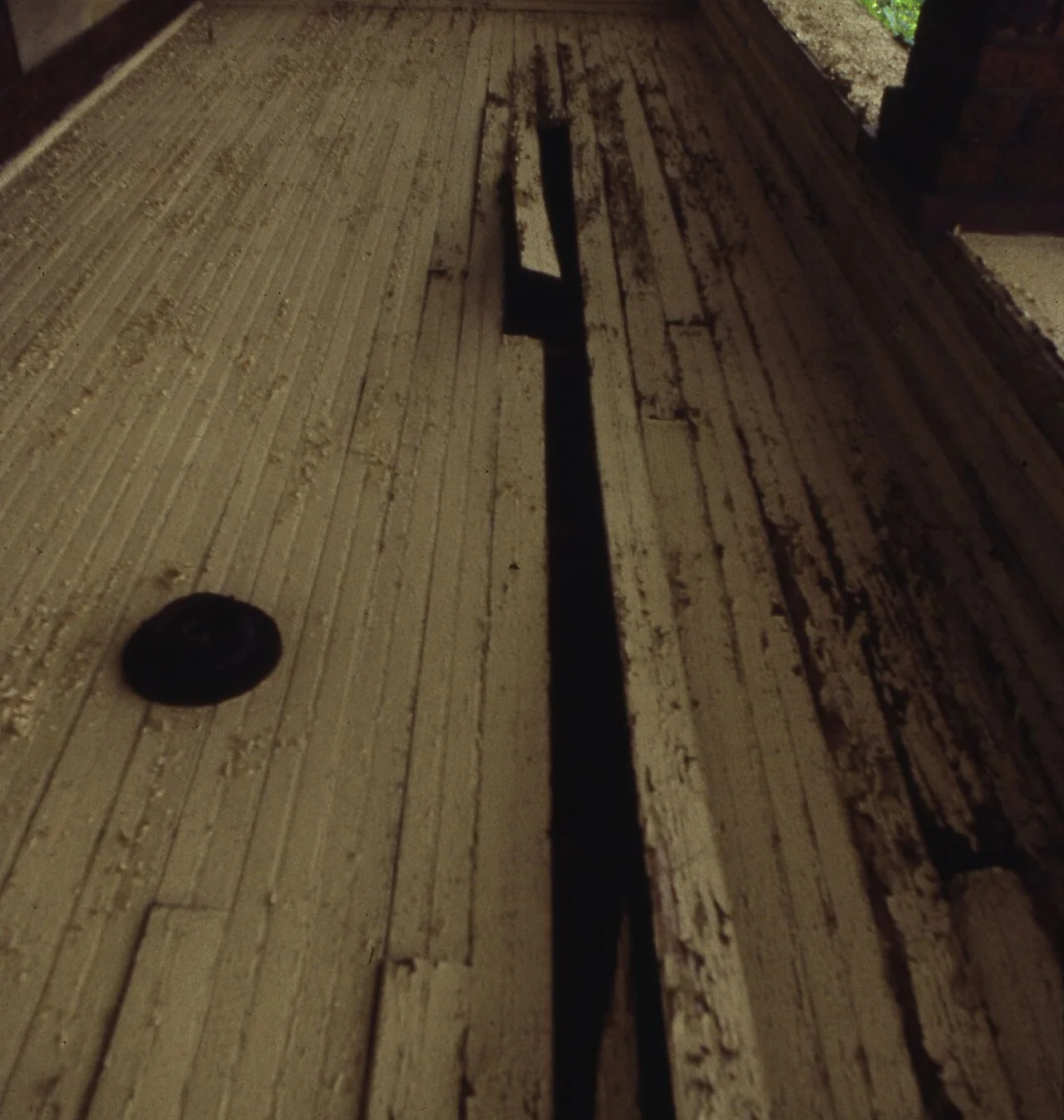
Freeze and thaw does the same handful of things to a deck year after year. None of it is mysterious once you know where to look, and most of it is cheaper to catch in April than in August.
- Heaved or settled piers reset
- Rotted joists and stringers replaced
- Ledger re-bolted and flashed
- Guard posts anchored properly
- Stair risers evened up
- Corroded fasteners swapped out
How a repair runs
How do you find the fault before you fix the cause?
1
Probe
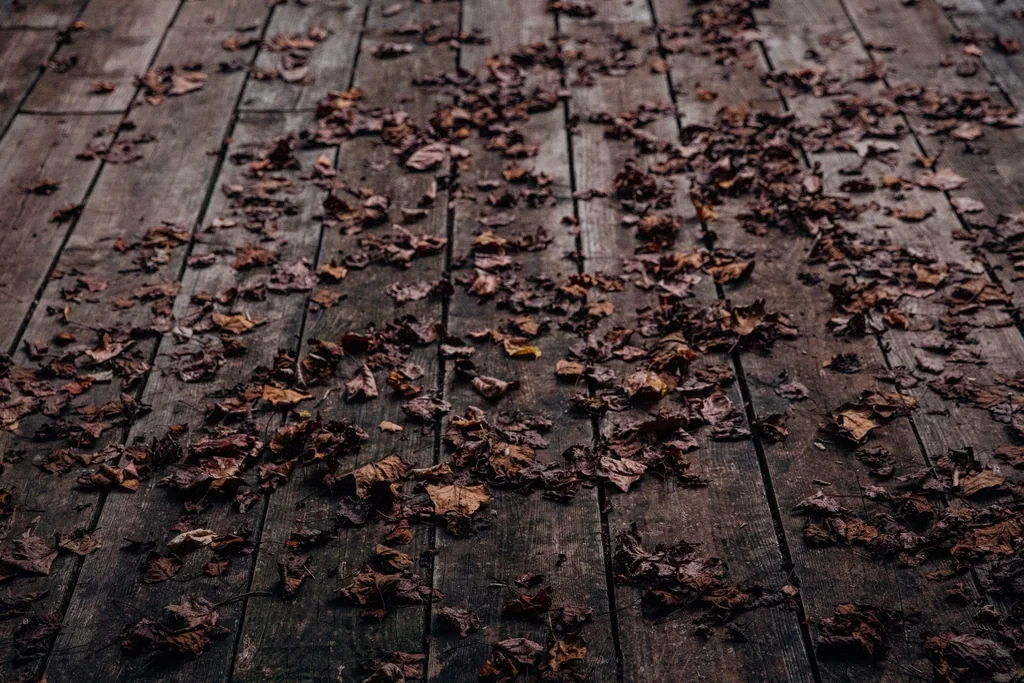
An awl goes into the posts, joists, stringers and ledger. Rotted wood is soft and spongy and gives under the point, whatever the surface looks like.
2
Scope
You get a written list of what needs doing and what can wait, with the honest version of whether repair still makes sense on this structure.
3
Repair
Members get replaced rather than patched where the rot is bigger than a thumb. Hardware and fasteners are matched so nothing corrodes against them.
4
Protect
Wherever the frame is open we tape the joist tops and correct the flashing, because water is what caused the repair in the first place.
Which code numbers does a repair have to hit?
36 in
minimum guard height
4 in
sphere must not pass
200 lb
load on the top rail
3/8 in
max riser variation
Why spring is busy
What one Amherst winter does to a tired deck
The whole state sits in the Severe weathering category, and this corner of it gets lake-effect snow sitting on decks for weeks along with repeated freeze and thaw. Water works into every check and screw hole, freezes, expands, and opens the gap a little further each cycle. Snow load presses down on a frame that may already have lost a joist or two to rot. Under it all, shallow piers lift and drop with the frost and slowly rack the frame out of square. None of that is visible in October. It is all visible the first warm weekend in April, which is why everybody calls at once.
Awl-probe inspection
Written repair scope
Members replaced, not patched
Straight answer on rebuilds
Our promise
If your deck is worth repairing, we will tell you that and repair it. If it has gone past the point where a repair is honest, we will tell you that too, even though it is the more expensive conversation and the one nobody wants to have in April.
More from us
What else we handle in Amherst
Repairs are only worth doing on a structure that has life left. When it does not, one of these is the honest answer.
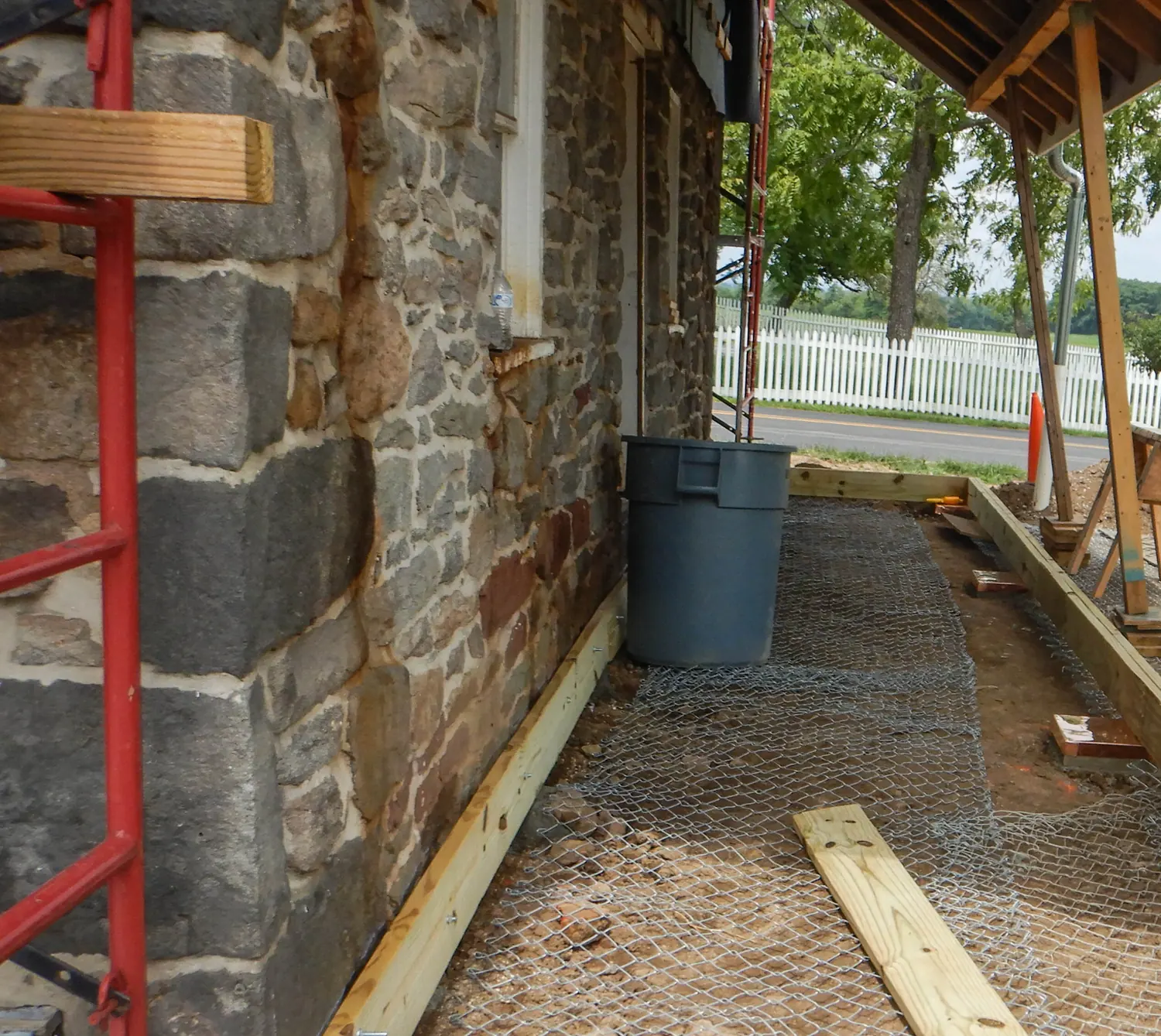
Deck Replacement
Old deck out, debris hauled to a permitted facility, new structure in its place.
Read moreDeck Repair
Heaved footings, soft joists, loose ledgers, and guards that move when you lean.
Read more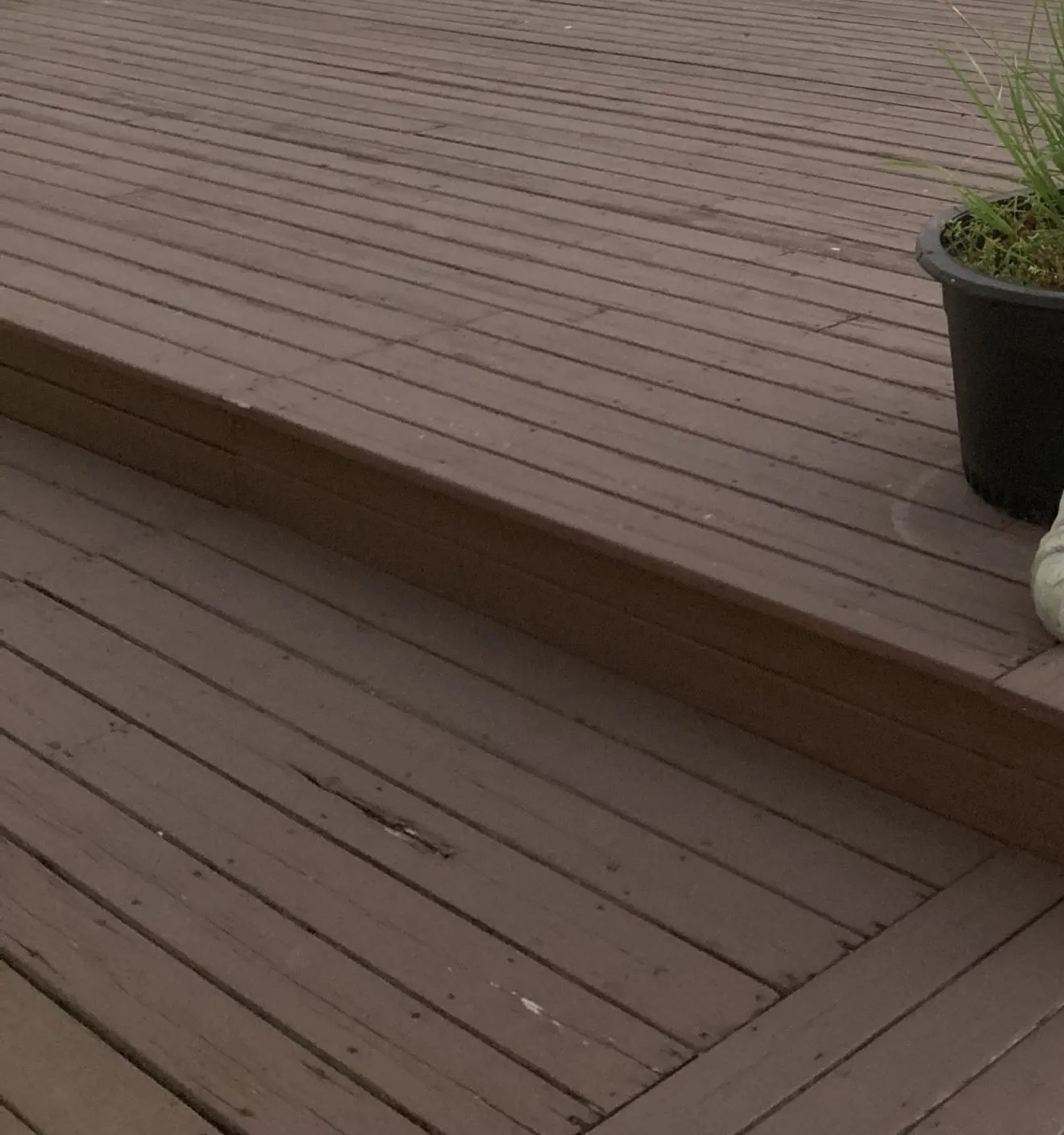
Composite Decking
Capped composite and cellular PVC, gapped the way the board maker specifies.
Read more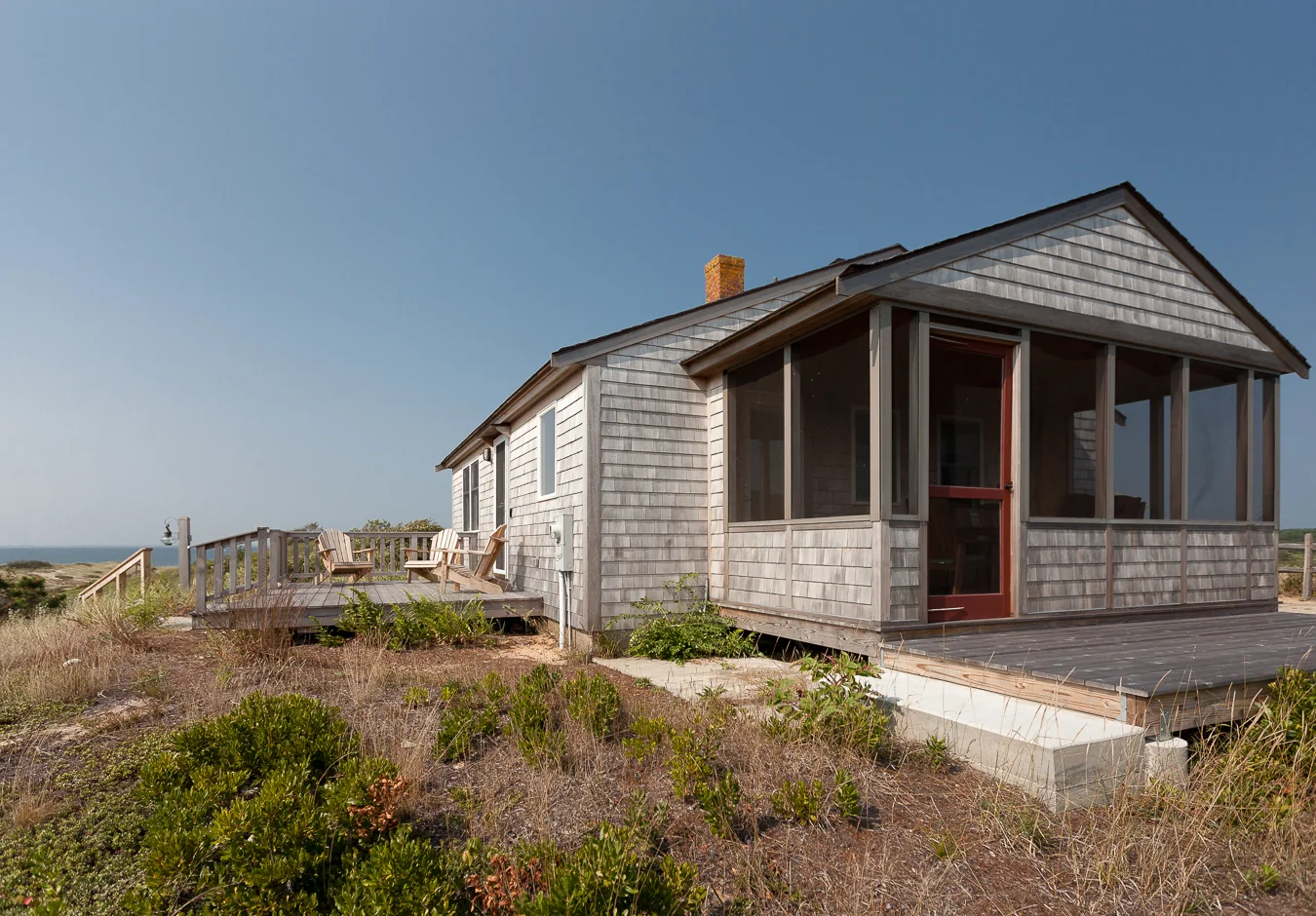
Covered Decks
Roofs, screens and three-season rooms, once the frame below is checked for the load.
Read more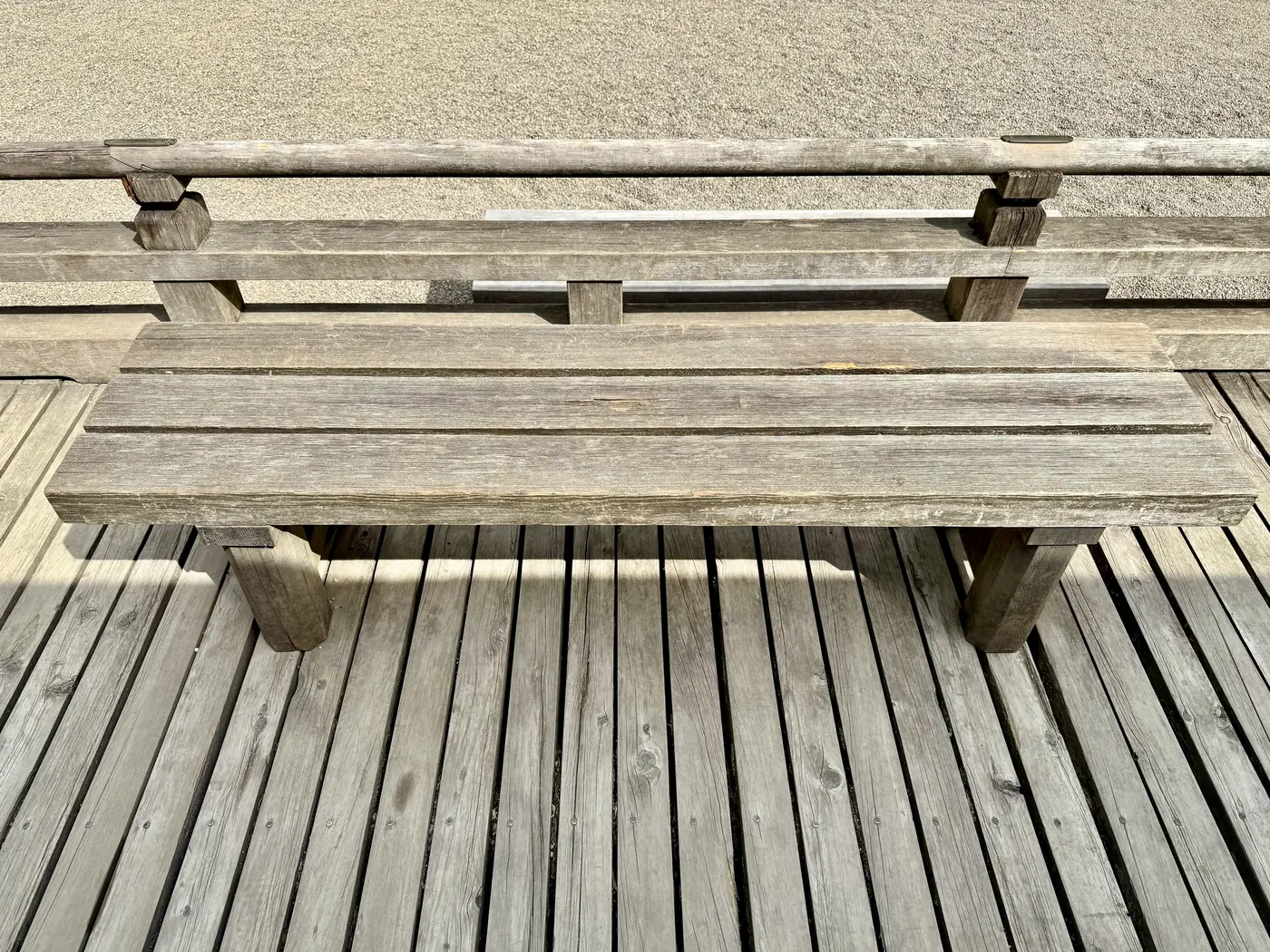
Deck Staining
Cleaned, brightened and refinished when the moisture reading says it is ready.
Read moreService area
Decks across Amherst and Erie County
Repair calls come from all over the town and the ring around it: Williamsville, Snyder, Eggertsville, Getzville, East Amherst and Swormville, plus Clarence, Cheektowaga, Lancaster, Depew, Tonawanda and Kenmore, at the same rate.
Amherst
WilliamsvilleSnyderEggertsville
GetzvilleEast AmherstSwormville
ClarenceCheektowagaTonawanda
KenmoreLancasterDepew
Erie County
01
Common faults
Frost heave, nearly always. A pier that does not reach below the local frost line gets pushed up by freezing ground and drops again in spring. On a deck attached to the house, that movement gets transmitted straight into the house framing.
It means something is deflecting more than it should. Sometimes it is joist span or spacing, sometimes it is a beam or a post that has softened, sometimes a connection has loosened. It is worth probing rather than living with.
Usually, and it should be. A guard has to resist a 200-pound push applied horizontally at any point along the top rail. A 4x4 post simply lag-screwed or notched into the rim often cannot, which is why proper hold-down hardware exists.
That is the most common stair fault there is, and it is a real trip hazard. The largest and smallest riser in one flight may not differ by more than three-eighths of an inch, and the bottom step is where it usually goes wrong.
Not necessarily. Rot roughly the size of a thumb can be cut out and the wood treated. Anything larger than that means the member gets replaced, because what is left will not carry what it is being asked to.
02
Scope and limits
That is most of the repair work. We are looking at the structure in front of us, not at who built it, and we will tell you what we find whether or not it is flattering to the original.
No. A rotted ledger is not a patchable condition. It is the connection carrying half the deck into your house, and once the wood the bolts grip has gone soft the connection has lost most of its capacity without looking any different.
We can, though new wood and old wood take finish differently, so a repair patch rarely matches until the whole surface has been cleaned and refinished together. That is worth planning as its own job.
It depends what is being touched. Structural alteration is a different thing from swapping a few surface boards. We confirm with the Building Department rather than assume, because the cost of guessing wrong lands on the homeowner.
After probing, not before. A repair list written from a photograph is a guess, and guesses on this kind of work are how a small job turns into an argument halfway through. You get the scope in writing.