New construction
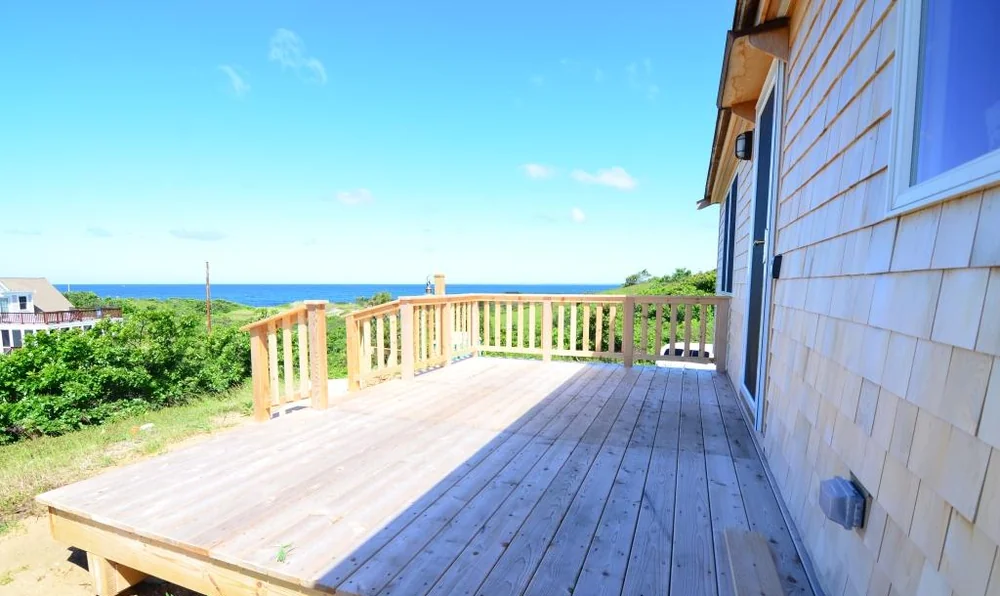
Deck building in Amherst, NY
A new deck is a small elevated structure carrying people, bolted to your house, and then left outdoors for thirty years. We build the parts you will never see as carefully as the boards you will.
Our approach
What goes into every deck we build?
A deck is one continuous load path from the boards under your feet down to undisturbed soil. Break the chain anywhere and the whole thing is only as good as its weakest link. Here is where we spend the effort.
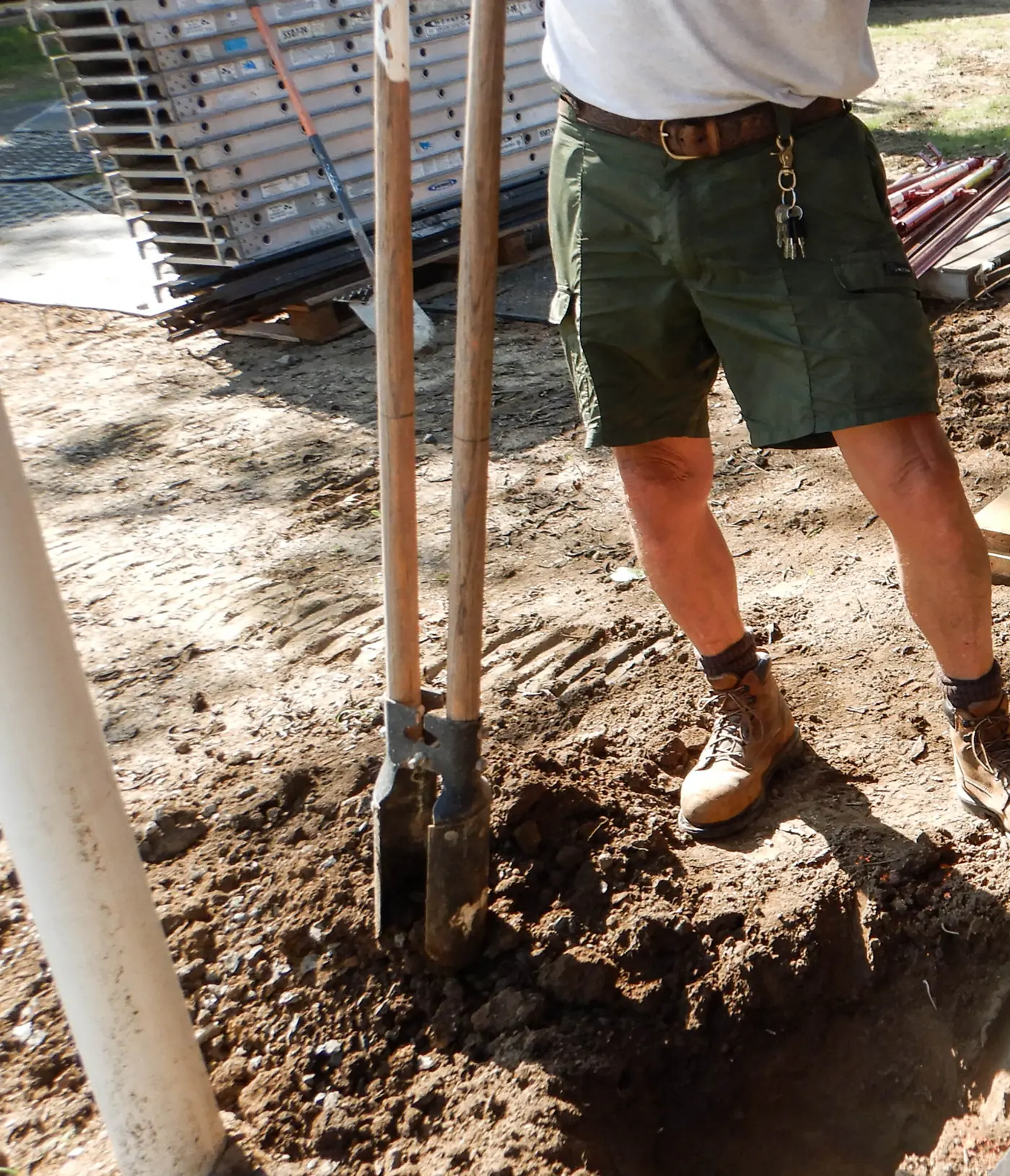
- Concrete piers on undisturbed soil
- Standoff bases under every post
- Ledger through-bolted, never nailed
- Metal flashing behind the ledger
- Lateral load hold-downs fitted
- Joists at 16 inches on centre
What does the Amherst permit package ask for?
3
copies of your survey
3
sets of framing plans
40 psf
deck live load design
6 mo
to start once issued
The build
Which stages are inspection gates?
1
Design
We size the joists, beams and posts for the span you want and the boards you have chosen, then draw it up as a scaled framing plan.
2
Permit
The survey, site plan and framing plans go in at the Building Department. Nothing gets dug until the permit for your deck is in hand.
3
Footings
Piers are dug to the depth the town requires, then inspected before any concrete is poured. That gate is not one to talk your way past.
4
Frame
Ledger, beams, joists, tape and hardware go on and get inspected before the decking hides them. Then boards, guards, stairs and the final.
Local conditions
What an Amherst lot does to a new deck
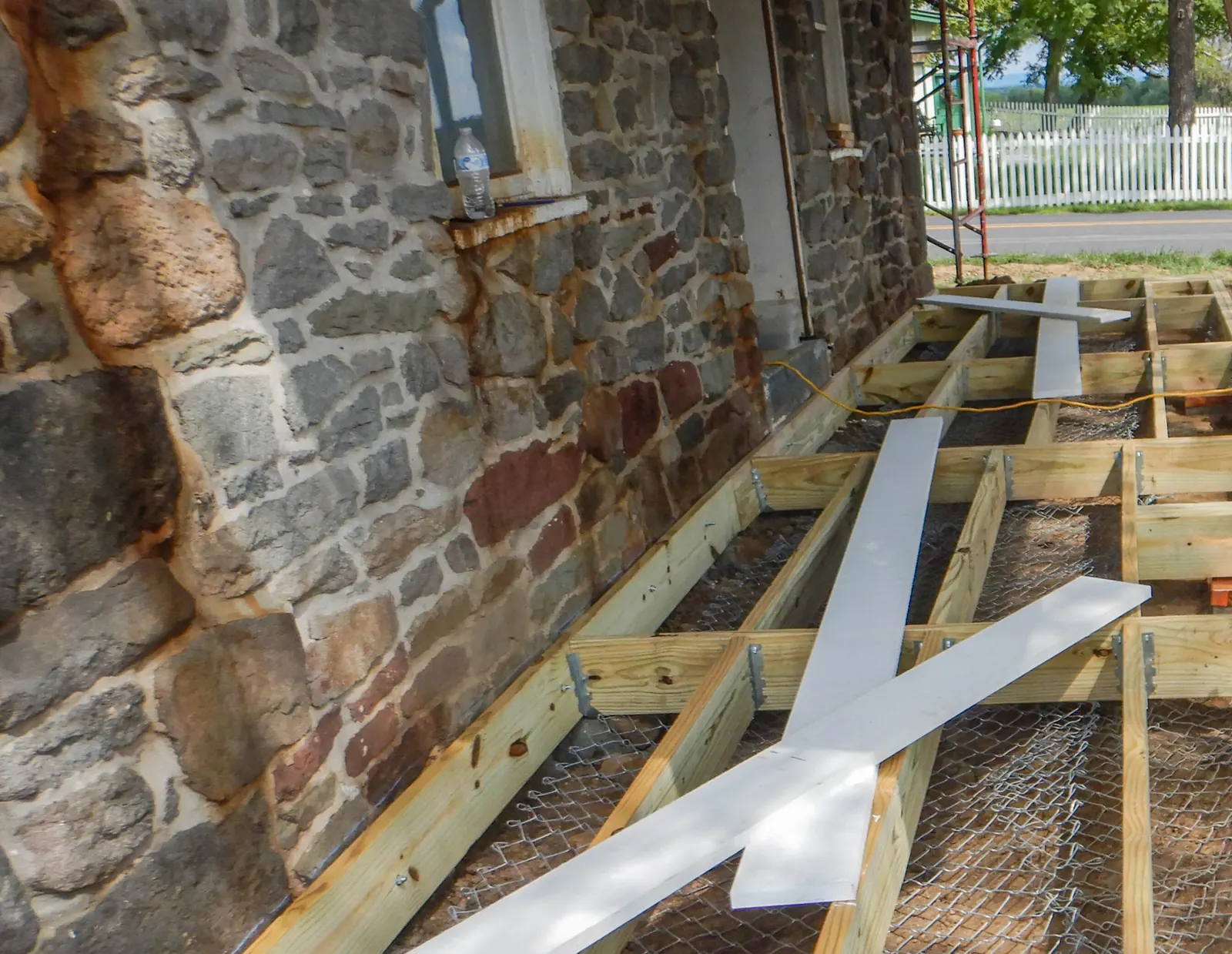
Two things about building here shape the frame more than the floor plan does. The first is frost. Footings have to bear below the local frost line, a depth the Town of Amherst sets and does not publish, so we confirm it with the Building Department rather than repeat a figure from somewhere else. The second is the wall. A great deal of the housing stock in Snyder, Eggertsville and Williamsville is brick or stone faced, and code does not allow a deck ledger to be carried on masonry veneer. Veneer is cladding, not structure. On those houses the ledger has to reach real framing, or the deck stands free on its own posts.
Scaled framing plans
Permit filed for you
Footing depth confirmed
Two inspection gates met
The critical joint
Why does everything hang on the ledger connection?
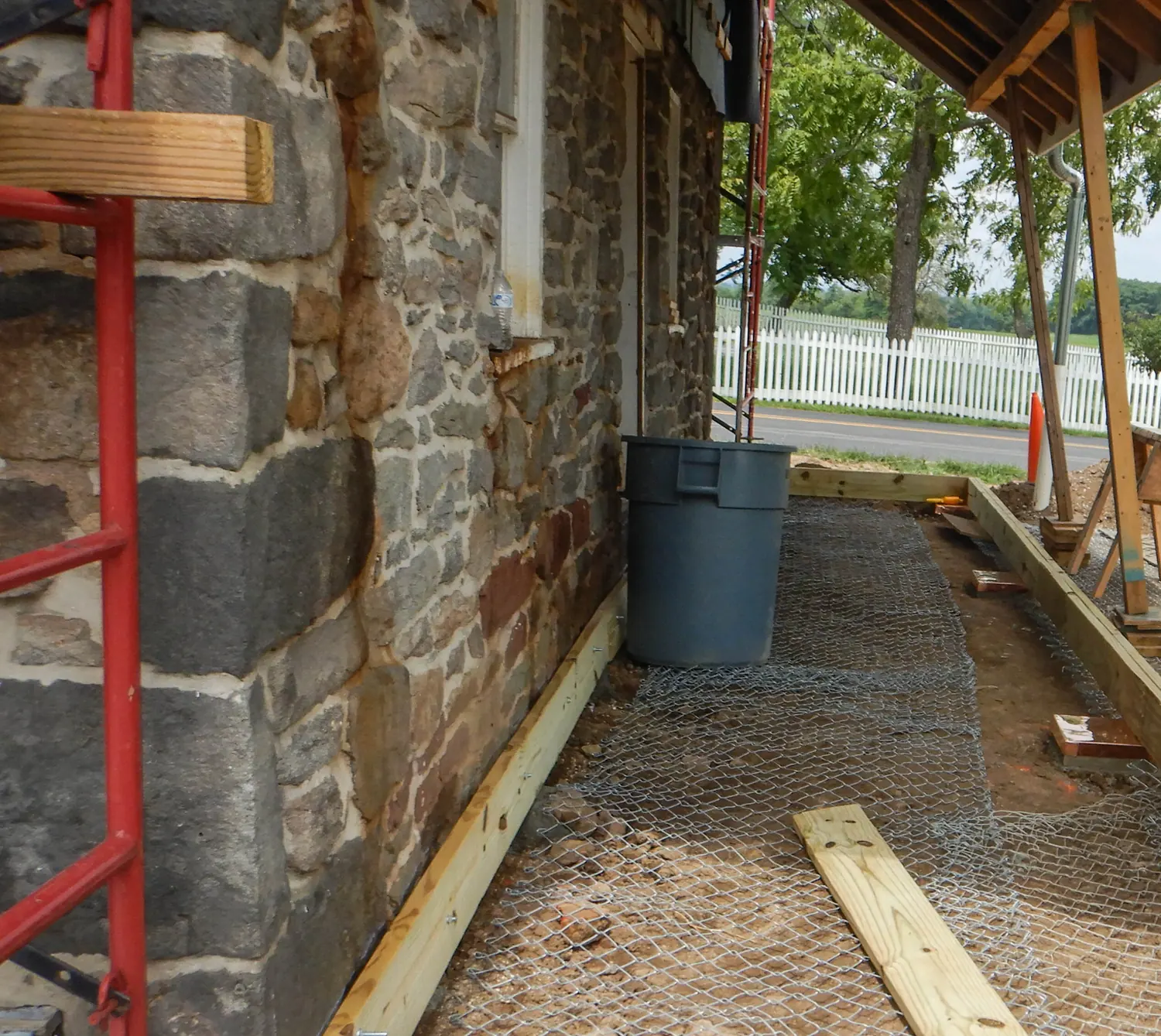
The ledger is the board bolted to your house that carries half the deck's weight into the building. It is the one connection worth understanding before you sign anything.
- Minimum sizeA 2x8, and never smaller than the joists it carries. Preservative-treated, or an approved naturally durable grade.
- Not on veneerA ledger may not be supported on stone or masonry veneer. On a brick-faced Amherst house that single line decides the whole design.
- Bolts, not nailsThrough-bolts or approved structural screws on the code's bolting schedule. Framing nails and deck screws do not have the shear and withdrawal capacity.
- FlashingCorrosion-resistant metal at least 0.019 inch thick, lapped so water runs out and away. Skip it and the band joist behind the ledger rots quietly for years.
- Lateral loadHold-down tension devices tie the deck back to the house framing so it cannot pull away sideways. Small hardware, cheap, and the thing budget crews leave out.
More from us
The rest of what we do in Amherst
Building new is one of six things we do here. The other five are what happens to a deck over the thirty years after it goes in.
Deck Replacement
Old deck out, debris hauled to a permitted facility, new structure in its place.
Read more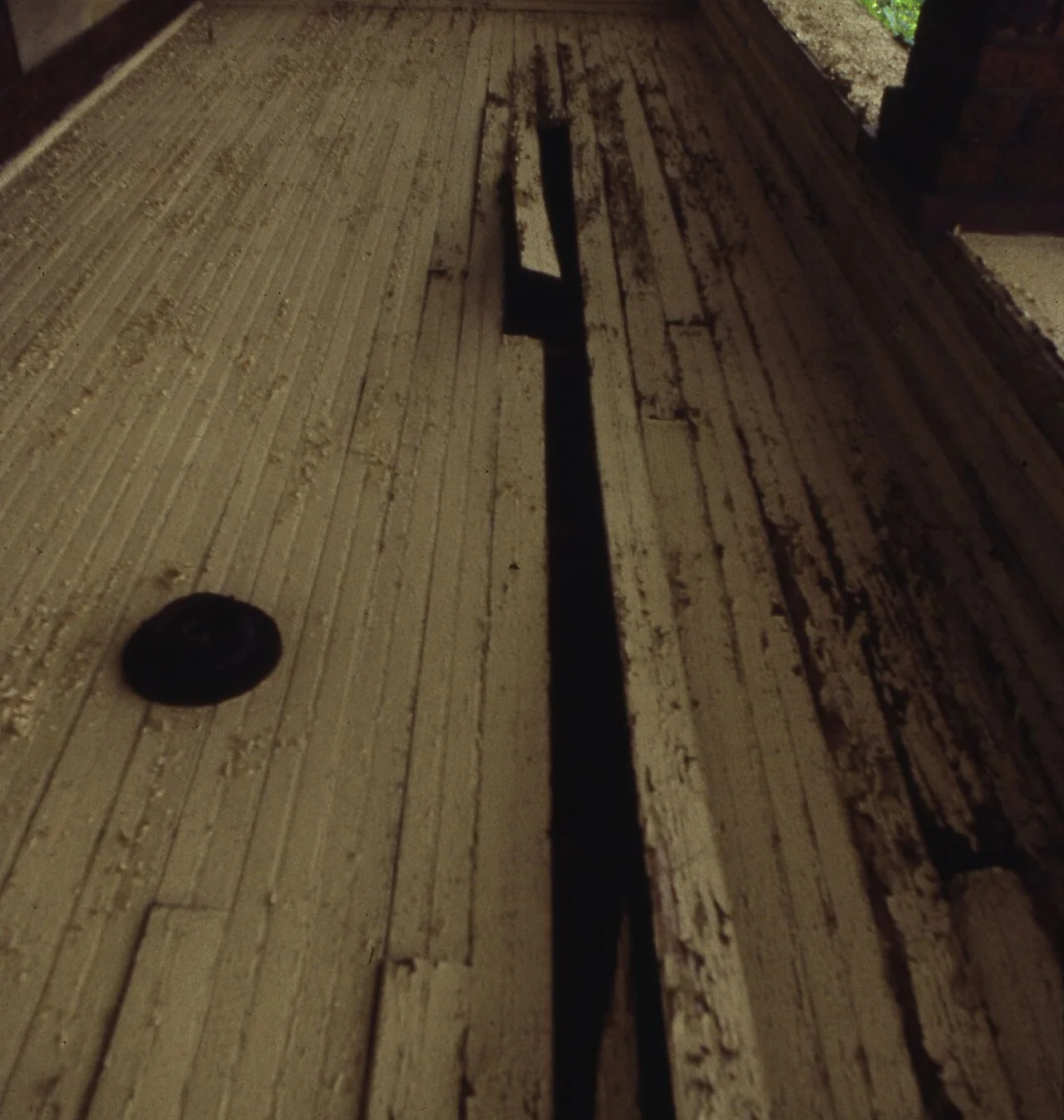
Deck Repair
Heaved footings, soft joists, loose ledgers, and guards that move when you lean.
Read more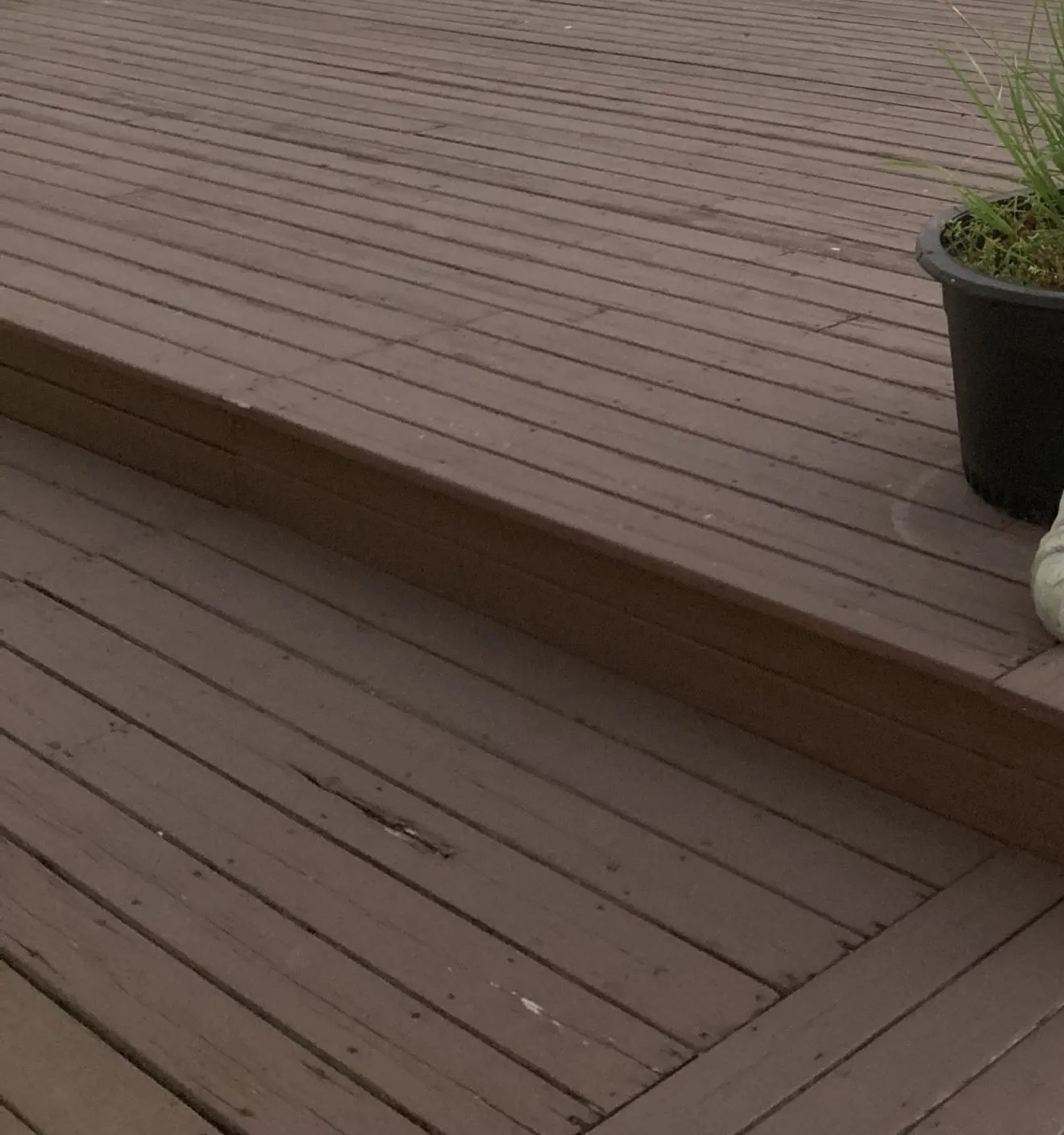
Composite Decking
Capped composite and cellular PVC, gapped the way the board maker specifies.
Read more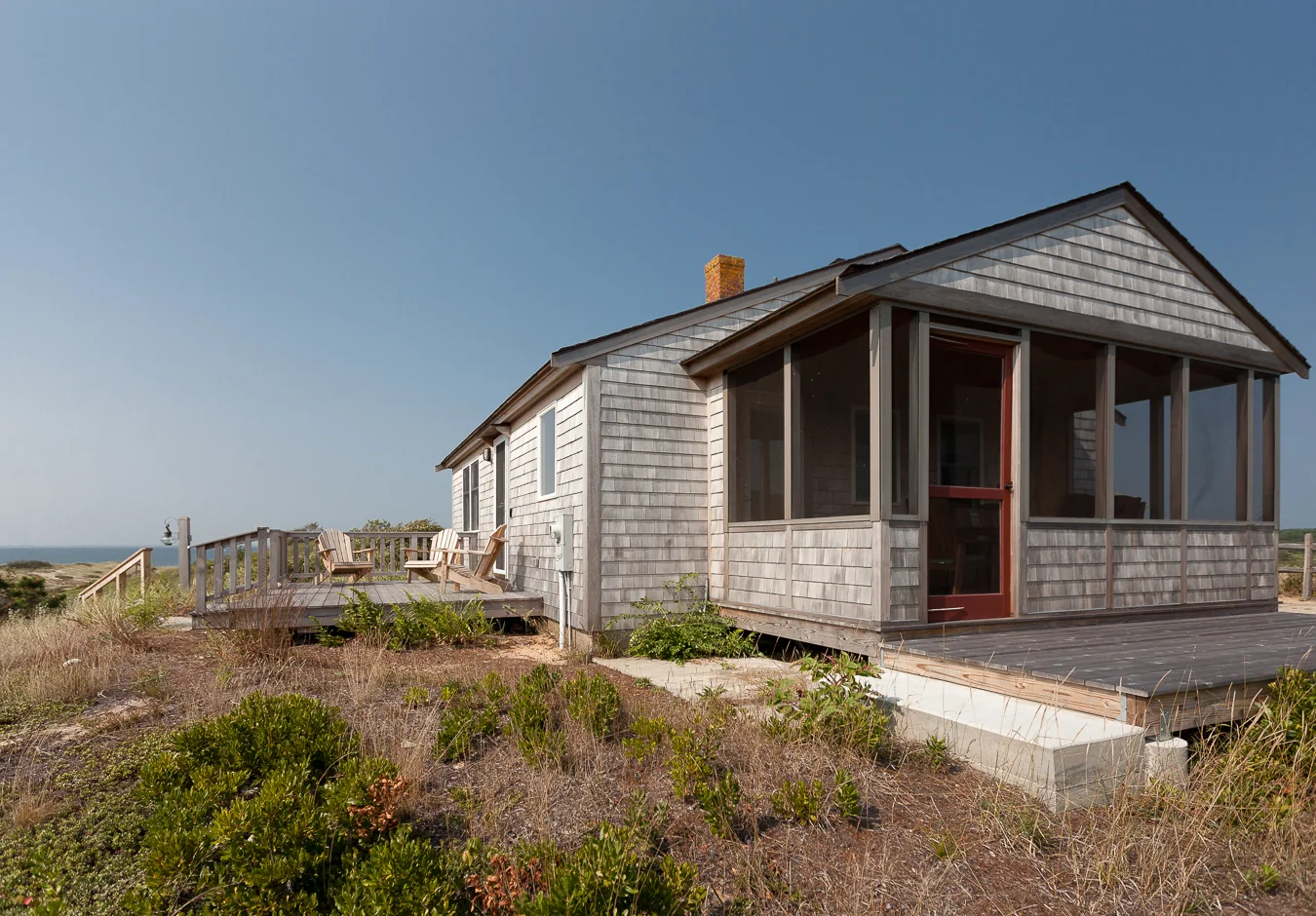
Covered Decks
Roofs, screens and three-season rooms, once the frame below is checked for the load.
Read more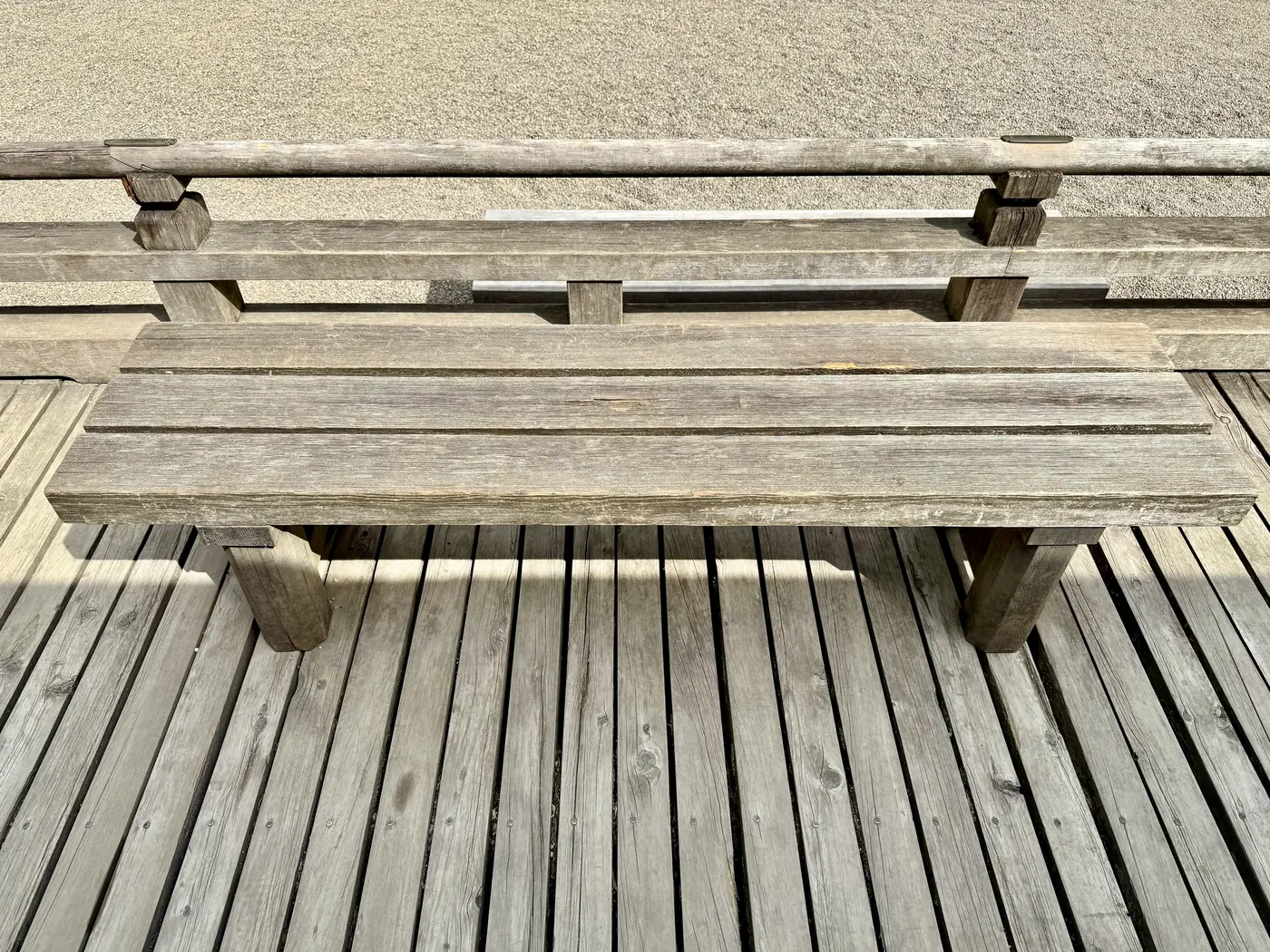
Deck Staining
Cleaned, brightened and refinished when the moisture reading says it is ready.
Read moreService area
Decks across Amherst and Erie County
New decks go in right across the town, from Williamsville and Snyder through Getzville, East Amherst and Swormville, and out into Clarence, Lancaster, Depew, Cheektowaga, Tonawanda and Kenmore at the same rate.
Amherst
WilliamsvilleSnyderEggertsville
GetzvilleEast AmherstSwormville
ClarenceCheektowagaTonawanda
KenmoreLancasterDepew
Erie County
01
Cost and design
A pressure-treated deck typically runs $25 to $40 per square foot installed around the Buffalo area, and that is a range, not a quote. Height above grade, stair count, linear feet of railing, and how much shape the deck has move it more than area does.
Usually because one includes things the other leaves out. Footing depth, joist tape, hold-down hardware, flashing, the fastener metal, and whether the permit and the drawings are being done for you. Ask both quotes to name those items.
Assume none. Amherst requires a building permit before construction starts on a deck, and the narrow exemptions people repeat from the model code do not describe an attached deck. Anything touching the house needs a permit.
That is up to the Building Department's review queue and we will not invent a number. What we control is submitting a complete package first time, which is where most delays actually come from. Incomplete drawings go to the back of the line.
Both. They are genuinely different jobs though. Once a walking surface sits more than 30 inches above grade you are into taller posts, bigger footings, required guards and stairs, and a lot more crew safety equipment.
02
Materials and structure
Sixteen inches on centre suits most wood and most composite boards. Diagonal layouts and some commercial composite lines want twelve. The board manufacturer's instructions govern that, and following them is also what keeps the board warranty alive.
Not to the brick itself. Deck ledgers cannot be supported on stone or masonry veneer, because veneer is a cladding and carries no structural load. The ledger has to reach the framing behind it, or we design the deck freestanding on its own posts.
Hot-dipped galvanized or stainless, matched to each other. Modern treated lumber is roughly twice as hard on steel as the old chemistry was, and mixing stainless screws with galvanized connectors sets up corrosion inside the joint.
On a deck meant to last, yes. It is a self-adhering membrane run along the top of every joist and beam that sheds water and seals around each screw. The frame is the expensive half of a deck to replace, and tape protects it for very little.
Depends how long you are staying. Pressure-treated costs least to install and most to maintain. Capped composite and cellular PVC cost more up front and end the stain cycle entirely. Cedar sits between them and silvers if you leave it bare.